President Trump’s bold call for nations to send ships through the mine-filled Strait of Hormuz clashes directly with U.S. government warnings to avoid the war zone, exposing dangerous contradictions in America’s defense of global energy security.
Story Snapshot
- Trump urges commercial vessels to “show some guts” and transit the Strait amid ongoing U.S. bombing of Iranian targets, while official advisories tell ships to stay away.
- Iran’s new Supreme Leader Mojtaba Khamenei vows to keep the Strait “effectively closed,” rejecting U.S. demands for surrender after 11-14 days of conflict.
- Brent crude surges above $100 per barrel, marking the largest oil supply disruption in history, hitting American families with higher energy costs.
- U.S. drains strategic reserves as shipping halts, ships hide AIS signals, and insurance skyrockets—real risks ignored in presidential rhetoric.
- Contradictory messaging undermines clear U.S. leadership, pressuring allies to risk lives without guaranteed protection.
Trump’s Dual Messaging on the Strait
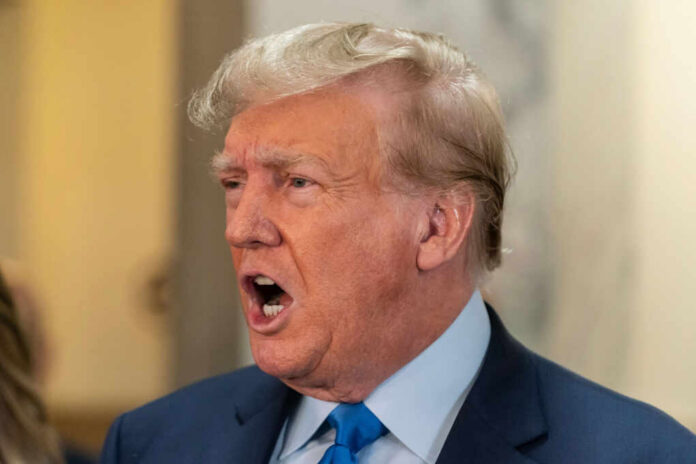
President Donald Trump demanded Iranian compliance on March 10, 2026, threatening a response “twenty times harder” if oil flow through the Strait of Hormuz faced blockage. The next day, after reports of Iranian mines—potentially dozens with capacity for hundreds—Trump announced destruction of 10 inactive mine-laying vessels. He warned of “military consequences at a level never seen before” if mines persisted. These statements came during an active U.S. bombing campaign targeting Iranian assets, now in its 11th to 14th day as of mid-March 2026.
Contradiction Between Rhetoric and Official Guidance
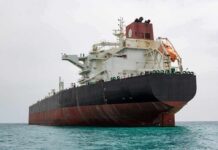
From March 9-13, 2026, Trump challenged commercial tankers on Fox News to transit the Strait and “show some guts.” He expressed hope that affected nations like China, Japan, and others would send ships to demonstrate resolve. This appeal contrasts sharply with U.S. maritime administration warnings advising vessels to “keep clear of this area if possible.” Shipping has halted entirely, with vessels turning off AIS tracking to hide positions amid mine threats and military action.
Iran’s Defiant Stance Under New Leadership
Iran’s Supreme Leader Mojtaba Khamenei, succeeding his father Ali killed in U.S.-Israeli strikes, vowed on March 13, 2026, to keep the Strait “effectively closed” and open other war fronts if needed. Iranian officials dismissed Trump’s threats as “empty,” claiming their advanced nuclear program remains intact despite attacks. They assert readiness to continue missile strikes. Trump claims Iran’s military stands “mostly destroyed,” yet admits the U.S. “hasn’t won enough,” signaling unresolved conflict.
Economic Fallout Hits American Households
The Strait, carrying one-fifth of global oil, now triggers Brent crude prices above $100 per barrel. The International Energy Agency calls this the largest supply disruption in oil market history, affecting 100 million barrels. U.S. strategic reserves drain to mitigate shocks, while shipping costs soar via alternative routes. Insurance providers drop war risk coverage, rates escalate, making transit unviable for operators. Global markets, including U.S. consumers, face inflation pressures from this Iranian blockade.
BREAKING: Trump says ‘hopefully’ nations ‘affected’ by Strait of Hormuz closure will ‘send ships to the area’ as US maintains bombing campaign https://t.co/7rtK9Pcrjj
— Human Events (@HumanEvents) March 14, 2026
Strategic Risks and Unresolved Tensions
Defense Secretary Pete Hegseth emphasizes U.S. military superiority, but commercial actors face risks the government acknowledges. International shipping avoids the area despite Trump’s calls, prioritizing safety over rhetoric. Power dynamics pit U.S. dominance against Iranian resolve, with no capitulation in sight. Uncertainties persist on Iranian damage extent, conflict timeline, and ally compliance. Clear Navy protection, not appeals to courage, remains essential to reopen this vital chokepoint.
Sources:
Trump Threatens Iran Over Strait of Hormuz Blockage