

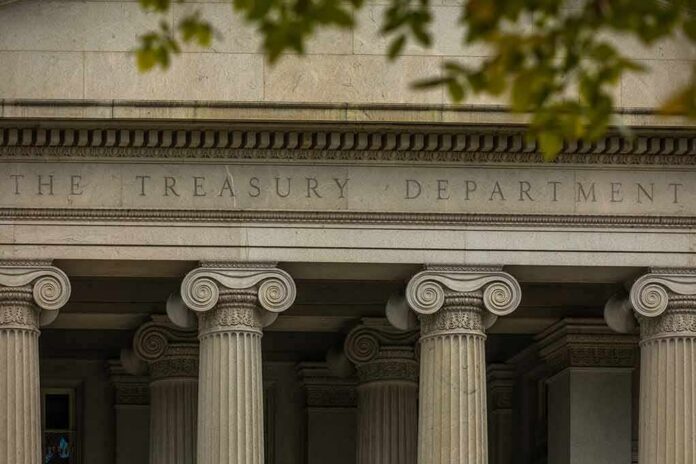
U.S. Treasury Secretary Scott Bessent left his home and moved onto a military base after reported Iranian threats against his life, according to multiple news reports and a Treasury statement of resolve.
Story Highlights
- New York Times reports Bessent relocated to a U.S. military base amid Iranian threats.
- Treasury says Bessent will not be deterred from pressuring Iran’s economy.
- A recent intelligence warning described Tehran-linked plots as at “advanced stages”.
- The public record does not name the base or reveal classified threat details.
Reported Relocation Follows Threats Linked to Iran’s Regime
The New York Times reported that Scott Bessent moved from his residence to a U.S. military base after threats tied to Iran, citing three people with knowledge of the matter. The report said officials recently judged Iranian plotting against current and former American officials had become more advanced, and that threats to Bessent factored into that view. A Treasury spokesperson said Bessent would not be deterred by the Iranian regime’s threats and would stay focused on the pressure campaign against Iran’s economy.
Other outlets echoed the account, generally crediting The New York Times and noting that the severity details were not clear from public sources. The Straits Times summarized a related warning that a senior intelligence official described Iranian plots as reaching “advanced stages” in a late October memo, adding context to why security measures could escalate when risk rises. Reports did not specify which protective authority ordered or approved Bessent’s relocation or which installation housed him.
Protective Moves Fit Standard U.S. Security Practice
Federal protection decisions often come before full public disclosure, especially when intelligence sources are sensitive. The Government Accountability Office describes how protection involves multiple divisions, security planning, and supervision to reduce harm to officials under threat. The United States Secret Service describes threat assessment as a proactive, investigative approach to identify, assess, and manage risk to protectees before violence occurs. Those practices help explain why authorities may relocate a principal even when details remain classified.
Recent history shows Iran-linked threats against American officials are taken seriously, with former officials such as Mike Pompeo and John Bolton receiving government-funded security due to potential Iranian targeting. Those cases underscore a pattern: when credible threat streams surface, agencies act to harden targets. In this case, reporting links the decision to move Bessent to concerns that Iranian plots had moved forward, and to his leadership role in economic pressure on Tehran.
Policy Stakes: Economic Pressure and Regime Retaliation Risk
Treasury-led sanctions and financial actions hit Iran’s revenue and limit money flows that support terrorism and proxy militants. Those tools raise costs on the regime, which in turn can motivate threats or plots against U.S. officials seen as architects of the pressure. According to the reports, Bessent’s stance will not soften, despite the threats and the relocation to a secure base. That message signals resolve: the administration intends to keep squeezing Iran’s economy while protecting American officials at home.
For many readers, this event highlights why a strong national defense, secure borders, and a tough stance on hostile regimes matter. Iran’s government and its proxies have targeted Americans in the Middle East for decades. When U.S. leaders crack down on funding pipelines, the regime looks for leverage. A fortified security posture denies that leverage and tells our enemies that intimidation will fail. That balance of pressure and protection is central to keeping Americans safe.
What We Know and What Remains Classified
Available reporting states Bessent moved to a military base, ties the move to Iranian threats, and quotes a Treasury statement of resolve. Separate coverage notes a late October intelligence memo that warned of advanced plots by Tehran against Americans. The public record does not identify the base, the date of the move, or the specific protective authority, and it does not disclose the raw threat intelligence. The New York Times said the severity details were unclear in open sources.
#BREAKING!!!! Treasury Secretary Scott Bessent has been moved onto a military base amid Iranian 🇮🇷 assassination plots, according to The New York Times.🇺🇸🇺🇸🇺🇸🇺🇸🇺🇸🇺🇸🇺🇸🇺🇸🇺🇸
– – – – – – – – – – – – – – – – – – – – –Bessent has been moved out of his Washington, D.C., home and onto… pic.twitter.com/q0QGREW6bG
— Authentic voice (@Authenticvoice6) November 11, 2026
Within those limits, the picture is still clear: security professionals elevated protection around a key Cabinet official while the administration continues its campaign against Iran’s finances. That approach reflects long-standing protective doctrine: act early, reduce risk, and keep the mission on track. The lesson for adversaries is simple. Threats will not win. The lesson for Americans is familiar but important. A firm policy, backed by security strength, protects leaders who work to defend our interests and our economy.
Sources:
facebook.com, israelnationalnews.com, straitstimes.com, politicalwire.com, ua.news