
A Florida sanctuary used a drone to drop food to a stranded chimpanzee after floodwater cut off normal access, and the video shows the delivery in action.
Story Highlights
- Video shows a drone lowering a paper bag of food to a chimp named Kaleb.
- Floodwater at Save the Chimps in Fort Pierce blocked ground routes to an outdoor area.
- Staff say they bought a delivery drone for emergencies like this and used it when roads failed.
- Reports describe Kaleb eating from the bag and later reaching safer ground by a rope bridge.
Drone Delivery Reached Kaleb When Floods Blocked Access
Reporters and sanctuary video document a drone delivering a paper bag of food to Kaleb, a 38-year-old chimpanzee at Save the Chimps in Fort Pierce, Florida. Floodwater isolated him on an outdoor area within the property, which made normal routes unusable. Video shows the drone lowering a bag and Kaleb taking the food. Coverage from multiple outlets, including national and local news, described the same core event at the sanctuary location.
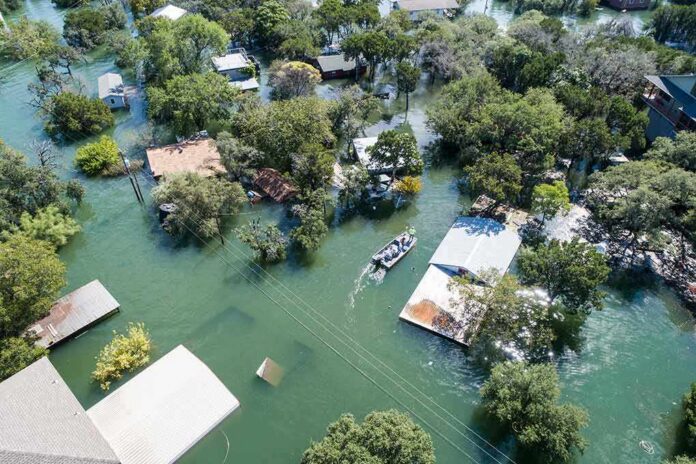
Associated Press reporting states that Kaleb remained in an outdoor area cut off by water, while the care houses on higher ground stayed secure. The sanctuary houses about two hundred chimpanzees on roughly one hundred fifty acres, and flooding damaged roads, golf carts, and other equipment that staff use for daily care. The video and reports highlight a simple fact: when wheels could not reach Kaleb, rotors could — at least long enough to drop food.
What The Footage Shows And What Staff Reported
Save the Chimps shared footage that shows the drone carrying a paper bag and Kaleb retrieving it. Reporting describes him removing and eating a banana from the bag after the drop. Staff also spoke about adding supplies like blankets and fluids across the response. The sanctuary’s leadership said they had obtained a delivery drone for an emergency like this. That preparation matched the need after rising water cut off parts of the grounds.
Accounts from several outlets align on the core details of the drop, the sanctuary setting, and the reason ground access failed. Reports vary on the exact mix of items delivered, which can happen during a fast-moving emergency with more than one flight. The most important part is clear in the video and write-ups: the drone delivered food directly to Kaleb when he was isolated by floodwater, and he used it right away. Later reports say he crossed a rope bridge to reach safer ground.
Why This Matters For Emergency Care And Common Sense Preparedness
Emergency teams often turn to drones when floods or debris block roads. Reviews of disaster response show drones can help with delivery, scouting, and communications when weather and payload limits are managed. The Florida incident fits that pattern. A modest load, a short flight, and a clear target let staff get calories and comfort to an animal in need. That is practical problem-solving when time and access both work against you.
Guidelines for responsible drone use in conservation stress safety, training, and respect for animals and local rules. Staff planning and a small, direct drop can reduce noise, stress, and risk. The Florida case shows that simple steps — a pilot, a safe route, and a calm target — can make a drone a useful bridge when water breaks routine. Thoughtful planning before storms and clear rules for flights can protect animals and people alike.
Limits, Next Steps, And The Bigger Picture For Florida Facilities
The reports center on the successful drop and Kaleb’s immediate access to food. They do not include detailed flight records, equipment specifications, or a full veterinary log. That is common in breaking news. For facilities across flood-prone areas, the lesson is still plain. Stock a basic delivery drone, train a small team, and map safe flight paths before storms. That plan can keep care moving when trucks and carts stall in high water.
🐒🚁 SPECIAL DELIVERY FOR ONE VERY HUNGRY CHIMP!
When severe flooding damaged roads, buildings, and equipment at the Save the Chimps sanctuary in Fort Pierce, Florida, staff had to get creative.
A drone was used to deliver food to Kaleb, a 38-year-old chimpanzee, despite the… pic.twitter.com/L84OIJOqzN
— Breaking Battlegrounds (@Breaking_Battle) November 11, 2026
Florida’s recent floods again exposed how fast access can fail. Simple tools, used well, protect life and property. Strong infrastructure and smart readiness reduce panic and waste. This sanctuary faced water and damage yet kept a routine of care going with fast thinking and a light touch. When emergencies hit, neighbors, churches, and private groups often move first. This story shows how practical gear and local action can fill the gap until roads and bridges open again.
Sources:
facebook.com, nbcnews.com, weather.com, unb.com.bd, bbc.com