
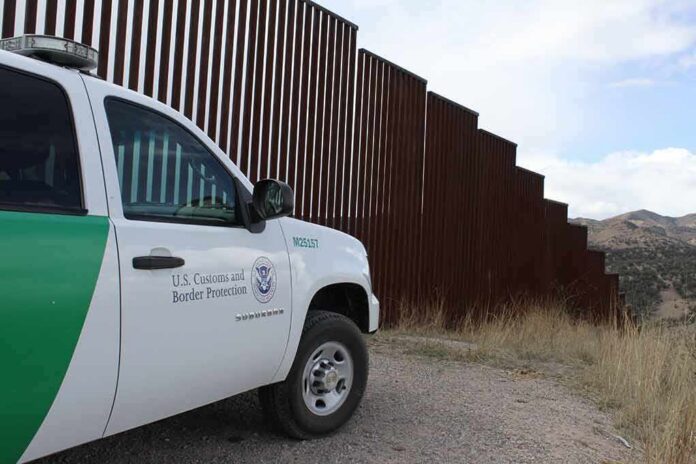
Customs and Border Protection paused Big Bend work after bulldozers scarred parkland, and now officials say smart security — not a 30‑foot wall — will protect the border there.
Story Highlights
- Customs and Border Protection paused construction inside Big Bend National Park for an on‑site review by its commissioner.
- Officials signaled a shift to roads, cameras, sensors, and drones instead of a tall border wall in the park.
- Lawsuits claim environmental and cultural harm, but final court rulings and impact studies are still pending.
- Local law enforcement in the region questioned whether a wall is needed given low crossing levels there.
CBP Puts Park Construction on Hold for On‑the‑Ground Review
United States Customs and Border Protection paused all construction activity inside Big Bend National Park while Commissioner Rodney Scott conducts an on‑the‑ground evaluation. Scott said the pause allows meetings with local stakeholders and law enforcement in West Texas this week. The agency framed the step as a practical review, not a retreat from border security. The pause follows public outcry over footage of heavy equipment disturbing sensitive areas along the Rio Grande corridor.
Commissioner Scott previously noted the park’s steep granite cliffs and rugged canyons. He said a tall wall is not the right fit on sheer bluffs or remote bends of the river. That approach respects terrain while keeping focus on security operations. The Big Bend sector accounts for a small share of illegal crossings, a fact critics cite to question the return on a massive wall in this location, even as the agency keeps attention on smuggling risks across the broader border.
Plan Migrates to Smart Security Tools Over a Tall Wall
Customs and Border Protection said it will use improved roads, cameras, sensors, and drones to secure the park area rather than erecting a thirty‑foot wall inside Big Bend. The agency emphasized meaningful security by using natural barriers where possible and placing targeted obstacles only where vehicles could breach the river corridor. This shift aims to protect taxpayers and preserve the park’s character while still backing Border Patrol agents with modern tools and faster response routes.
Texas Governor Greg Abbott said federal leaders assured him no wall or fence will be built inside Big Bend National Park. He added that technology and personnel can secure that stretch. Abbott also argued that wall segments are more urgent in other Texas corridors with higher traffic, which matches the agency’s terrain‑based plan in the park. That view supports focusing heavy infrastructure where it delivers the greatest security gains per dollar.
Lawsuits Allege Harm; Evidence Record Is Still Developing
Advocacy groups and local plaintiffs sued to block the project, arguing that waivers and rushed work would damage access, recreation, and cultural sites along the Rio Grande. One complaint warned of “irreparable” harm to archaeological resources from roads, lighting, and sensors. These filings raise concerns many Texans share about stewardship of national treasures. However, there is no final court ruling or completed environmental study in the record to confirm the scale of alleged long‑term harm yet.
Reports highlighted bulldozers and torn ground near the river, which stirred strong reaction. The National Parks Conservation Association criticized early activity as damaging to wildlife habitat. Visuals from the field intensified the debate and helped drive the current pause and reassessment. For many readers, the central question is not whether to secure the border, but how to do it in this landscape without needless cost, waste, or loss of public access.
What This Means for Security, Stewardship, and Taxpayers
For conservatives who expect strong borders and fiscal sense, the pivot in Big Bend shows how to match tools to terrain. A flexible plan can keep agents mobile, cut smuggling routes, and avoid pouring concrete where cliffs already block travel. It also reduces the legal friction that comes with building large structures inside a national park. Targeted technology, better roads, and smart patrols can deliver results without paying for a wall that the land itself does not need.
A new $7.5 billion border wall construction project in Big Bend, Texas, is drawing bipartisan outrage in the community. pic.twitter.com/9nzdbbjvLF
— CBS Evening News with Tony Dokoupil (@CBSEveningNews) August 23, 2026
The path ahead is clear. Customs and Border Protection should publish maps, scope documents, and timelines so locals know what is planned where. Lawmakers should demand measurable results and transparent costs. If the park can be secured with sensors, cameras, and roads, then taxpayers should not fund a showpiece wall there. Save wall segments for high‑traffic zones, back agents with the gear they need, and protect the Big Bend that Texans love and visitors travel far to see.
Sources:
cbsnews.com, apnews.com, abcnews.com, spectrumlocalnews.com, govexec.com, cnn.com, news.bloomberglaw.com, dvidshub.net, biologicaldiversity.org, newswest9.com