

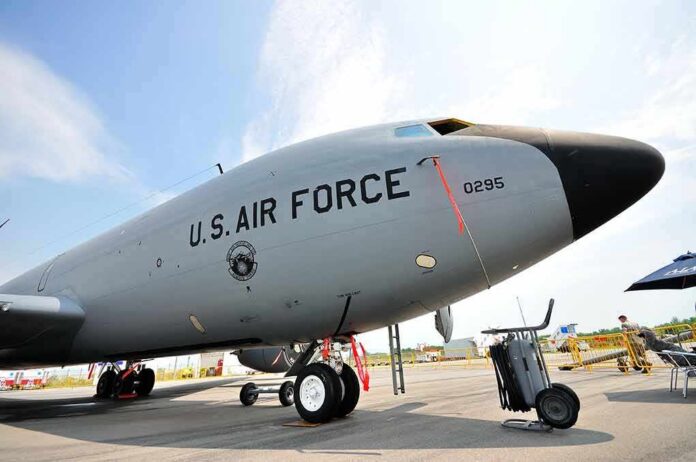
A U.S. military transport flew CIA Director John Ratcliffe into Moscow for meetings, marking his first known Russia visit as spy chief, according to multiple outlets.
Story Highlights
- Media reports say CIA Director John Ratcliffe traveled to Moscow for meetings.
- Flight-tracking and outlet reports tied a U.S. Air Force C-17 to the visit.
- The Kremlin and U.S. government did not publicly confirm details of the trip.
- Coverage framed the visit as Ratcliffe’s first known trip to Russia as CIA director.
Reports Point to Ratcliffe’s Moscow Meetings
Reuters and CBS-linked reports said Central Intelligence Agency (CIA) Director John Ratcliffe traveled to Moscow for meetings on Tuesday, citing sources familiar with the trip. Axios reported he flew from Riga, Latvia to Moscow aboard a U.S. Air Force C-17, a military transport plane often used for sensitive movements. Outlets described the stop as business-focused and tied to talks with Russian officials, though they did not name counterparts or list a public agenda.
Coverage stressed this appears to be Ratcliffe’s first known visit to Russia as CIA director, a step that often signals direct channel work on tough issues between nuclear powers. Such trips have precedents. Directors under both parties have made discreet visits when high-stakes messages needed clear delivery or when deconfliction was urgent. Tuesday’s reporting stayed close to what could be confirmed: the destination, the aircraft, and the expectation of meetings.
Official Silence Leaves Purpose Unstated
Neither Washington nor the Kremlin released details on the visit. Kremlin spokesman Dmitry Peskov said he had no information about the aircraft’s arrival, and U.S. officials did not issue a statement naming Russian counterparts or goals for the meetings. Media accounts did not connect the trip to a specific policy item, prisoner issue, or battlefield development. That absence reflects the standard secrecy around intelligence contacts, rather than a disputed fact pattern in the reporting.
Newsrooms noted that several major outlets carried consistent details the same day, including Ratcliffe’s presence in Moscow and the U.S. military aircraft’s landing at Vnukovo Airport. The combined picture showed an official, time-sensitive visit with controlled public exposure. While the reports did not show who Ratcliffe met or what they discussed, they aligned on core facts about the timing, transport, and city. Outlets avoided speculation and stuck to the verifiable contours.
How This Fits Known Intelligence Diplomacy
Prior examples show that spy-chief trips can support backchannel talks, risk reduction, and message delivery during tense periods. In 2021, then-CIA Director William Burns traveled to Moscow for high-level engagements that were publicly acknowledged in broad terms, reinforcing that such visits are a known tool in U.S.–Russia statecraft. Tuesday’s reports place Ratcliffe’s travel within that tradition, while withholding operational details that are standardly classified.
CIA DIRECTOR JOHN RATCLIFFE HAS FLOWN TO MOSCOW FOR AN UNANNOUNCED VISIT, MAKING AN UNDISCLOSED TRIP FOR MEETINGS WITH RUSSIAN OFFICIALS, THE FIRST KNOWN VISIT BY A CIA DIRECTOR TO RUSSIA SINCE WILLIAM BURNS IN 2021
— First Squawk (@FirstSquawk) August 26, 2026
For conservative readers, the takeaway is simple. Under President Trump, top national security leaders are using direct channels to guard American interests. The trip’s secrecy does not signal weakness. It signals discipline. Quiet talks can press Moscow on threats, protect Americans abroad, and set red lines. The facts reported show purposeful movement, not pageantry. The mission details stay protected, while the message is clear: the administration is working to keep Americans safe and deter rivals.
Sources:
cbsnews.com, usnews.com, yahoo.com, tvpworld.com, wsj.com, nypost.com