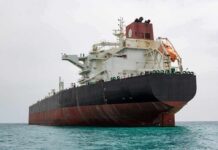

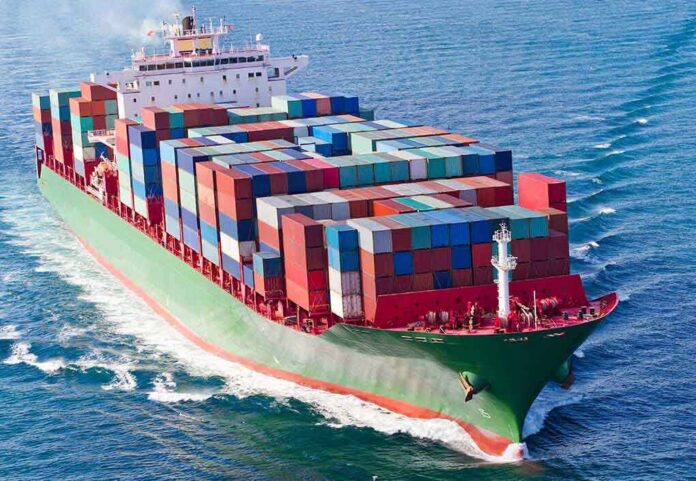
Eight armed men hijacked the Cameroon-flagged cargo ship Lutuf off Somalia, signaling piracy is back and getting bolder.
Story Highlights
- United Kingdom Maritime Trade Operations reported the Lutuf hijacking near Mareeyo, Somalia.
- The seizure is one of several confirmed hijackings since April 2026, showing a real resurgence.
- Earlier cases include the cargo ship SWARD and tanker MT Asana taken and moved toward Somalia.
- Security groups tie the spike to fewer international patrols and rising insecurity in key sea lanes.
UK Maritime Report Confirms New Hijacking Off Somalia
United Kingdom Maritime Trade Operations reported that eight armed men boarded and hijacked the Cameroon-flagged general cargo vessel Lutuf on 17 August 2026. The attack happened about four nautical miles south of Mareeyo, Somalia, according to summaries of the maritime alert. The report listed the time, location, vessel flag, and classification as a hijacking. This latest case adds to a steady string of incidents that began reappearing this spring along the Somali coast and the western Indian Ocean.
Maritime-security outlets and regional press say this is not a one-off. They describe the August hijacking as part of a broader return of Somali piracy after years of quiet. Their framing follows multiple confirmed seizures since April. This return matters because the waters off Somalia guard routes that link the Suez Canal, the Red Sea, and the Indian Ocean. Disruption here hits global shipping schedules, raises insurance costs, and can push up prices for fuel and goods that families rely on.
Pattern of Seizures Since April Signals Real Resurgence
Operation Atalanta and maritime alerts confirmed the hijacking of the cargo ship SWARD on 26 April 2026. Officials said armed men controlled the vessel after the seizure, removing doubt about the nature of the incident. Media tracking in late April reported multiple ships targeted within days, reinforcing the pattern. Grouped incidents are how analysts tell a resurgence from a single scare. In this case, the cluster is clear and spread over weeks, with different ships and cargo types affected.
Reports in July identified a seized tanker, MT Asana, that Puntland security officials said was moved toward Somalia’s Bari region. Coverage described the Asana case as part of a new wave linked to worsening security and fewer international patrols after years of calm in the Gulf of Aden and nearby waters. While some details in those stories used local sources, the core facts showed another ship taken and diverted toward Somalia, adding to the count since April.
Why This Matters for U.S. Interests and Everyday Costs
Shipping lanes near Somalia carry energy and consumer goods bound for the United States and allies. When pirates hijack ships, owners reroute traffic, hire guards, or sit at anchor and wait. Every delay adds cost. Those costs show up in fuel prices, store shelves, and factory inputs. Reduced patrols in the region let criminals test limits and exploit gaps. That risk grows when global navies focus elsewhere. Analysts noted that fewer patrols helped open space for these attacks to return in 2026.
Families at home feel the pinch when ocean chokepoints get unsafe. Higher insurance and longer voyages push up prices. American shippers and energy buyers then pass those costs along. Stable sea lanes keep prices and supply steady. Unchecked piracy does the opposite. Confirmed hijackings of SWARD in April and Lutuf in August show criminals are willing to seize large targets again. That calls for tighter coordination among allies and regional partners to protect lawful trade and crew safety.
What Authorities and Shipowners Can Do Next
Shipowners can harden routes by using proven best practices. These include higher watch, evasive routing, speed changes, and embarked security teams when allowed. Naval forces can restart layered patrols, better air spotting, and faster response times in high-risk areas. Governments and industry should also improve information sharing so alerts move quickly from radio call to patrol craft. Strong, visible security makes pirates rethink the risk and helps stop attacks before a boarding happens.
That’s a worrying resurgence of Somali piracy. With another commercial vessel hijacked by eight armed men, the threat to crews and international shipping around the Horn of Africa is clearly growing again.
— 𝒚𝒖𝒎𝒊𝒂𝒓𝒄𝒉𝒊𝒗𝒆𝒙 (@yumiarchive) August 18, 2026
Officials have asked captains to stay alert when they pass Somalia and the Gulf of Aden. The International Maritime Organization and regional centers continue to push guidance and warnings. But warnings are not enough when armed gangs see opportunity. The proven mix is vigilance at sea, quick naval action, and steady pressure on coastal networks that profit from ransom. Recent incidents show time matters. Fast response can keep a seizure from turning into a hostage standoff.
Sources:
telegraph.co.uk, english.elpais.com, aljazeera.com, english.enabbaladi.net, tftc.io, linkedin.com