
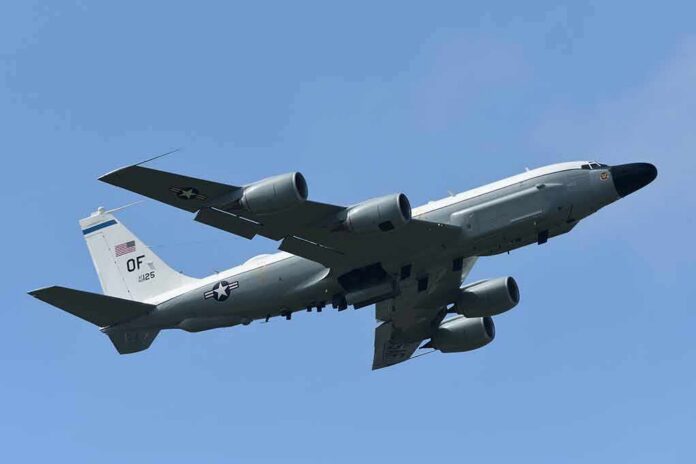
U.S. forces hammered Iran-linked targets for the eighth straight night as Central Command released new strike footage and detailed hits on key military sites tied to attacks on our troops.
Story Highlights
- Central Command said strikes hit Islamic Revolutionary Guard Corps Quds Force and militia assets tied to attacks on U.S. troops.
- Officials reported more than 85 targets across seven facilities in Iraq and Syria were hit in earlier waves.
- Central Command reported new strikes also degraded Iranian air defense, coastal surveillance, and missile and drone storage.
- Iran denies it ordered the attacks on Americans, while some outlets report civilian harm and infrastructure damage.
What Central Command Says Was Hit And Why It Matters
United States Central Command stated the campaign focused on Islamic Revolutionary Guard Corps Quds Force and allied militias that enabled attacks on American service members. The command described targets that included command hubs, intelligence nodes, rocket and missile sites, drone storage, and logistics chains. The stated goal was to stop ongoing threats to U.S. forces and partners and to impose costs on those enabling the assaults. This matches long-standing doctrine: remove the enemy’s tools, and reduce their will to strike.
American officials previously detailed a wide reach. They said over 85 targets across seven facilities in Iraq and Syria were struck using precision weapons, with the large majority destroyed or disabled. Central Command later added that new rounds hit Iranian coastal surveillance and air defense, maritime assets, and missile and drone depots to further degrade capability. The picture is clear: the U.S. aims to blind, disarm, and isolate the networks that menace our troops and shipping lanes.
Trigger For The Strikes And The Escalation Timeline
Central Command linked the current cycle to attacks that killed U.S. service members. Earlier, the command said three Americans were killed in a January 28 drone attack on a U.S. position in Jordan, which prompted retaliatory action against Iran-backed groups. More recently, Central Command reported two more Americans were killed on July 17 in Jordan during Iranian missile and drone attacks, and said President Donald Trump ordered direct retaliatory strikes on Iran in response. These deaths hardened the U.S. response.
Officials and open sources describe a pattern of repeated militia attacks across the region since late 2023, targeting American bases in Syria, Iraq, and Jordan. That backdrop explains why planners targeted command and control and munitions pipelines instead of single launch sites. The goal is to cut the head and the tail of the threat. It also signals to Tehran’s network that hits on Americans will draw a fast, heavy answer, not a token reply.
Competing Claims, Civilian Harm Reports, And Evidence Gaps
Iran’s government has denied ordering the Jordan attack, and some media report claims that the “Islamic Resistance in Iraq” umbrella group acted on its own. German outlet Deutsche Welle and others noted Iran’s denial while citing U.S. statements that Iran-backed militias were responsible. At the same time, Al Jazeera reported that Central Command attributed new U.S. strikes to Trump’s orders after the July 17 killings in Jordan, while Tehran continued to deny command responsibility. The dispute centers on control and direction.
🚨 BREAKING: US-Iran War Escalates.
The preliminary ceasefire has collapsed into a major direct military conflict. US forces have executed an 8th consecutive night of heavy airstrikes hitting key IRGC bases, ports, and infrastructure across southern Iran.
In retaliation, the… pic.twitter.com/uejsnoRSja— Gucci_Clarity (@Gucci_Clarity) July 19, 2026
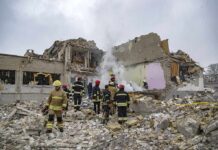
Reports also point to civilian casualties and infrastructure damage in some strike waves. Iraq’s spokesman said civilians were among the dead, and other outlets cited damage to bridges or plants, which sharpens scrutiny of target selection. Central Command says it aimed at legitimate military assets that fueled attacks on U.S. forces. Public proof remains limited: neither side has released declassified intercepts or forensic wreckage that would settle the attribution question for skeptics. That gap keeps space for spin.
What This Means For U.S. Security, Energy, And Deterrence
Prolonged strikes aim to restore deterrence and protect American lives in theater. They also support freedom of navigation by degrading sensors, air defenses, and maritime tools that can threaten tankers and choke points. But long campaigns can raise oil prices and strain supply lines if shipping risk grows. Earlier reporting tied strike cycles to price jumps and tension around the Strait of Hormuz, a vital corridor for global energy. Strategic clarity and tight rules help manage those risks while keeping pressure on the threat.
How Conservatives Should Read The Moment
This campaign reflects core principles: peace through strength, defend our troops, and stop terror proxies at the source. Central Command is hitting the networks that arm and guide militants who kill Americans. That said, transparency matters. Declassifying limited proof of command-and-control links, when it will not burn sources, would undercut propaganda and rally allies. Precision, lawful targeting, and clear evidence protect U.S. credibility while keeping the hammer down on those who shed American blood.
Sources:
youtube.com, bbc.com, dw.com, aljazeera.com, apnews.com