
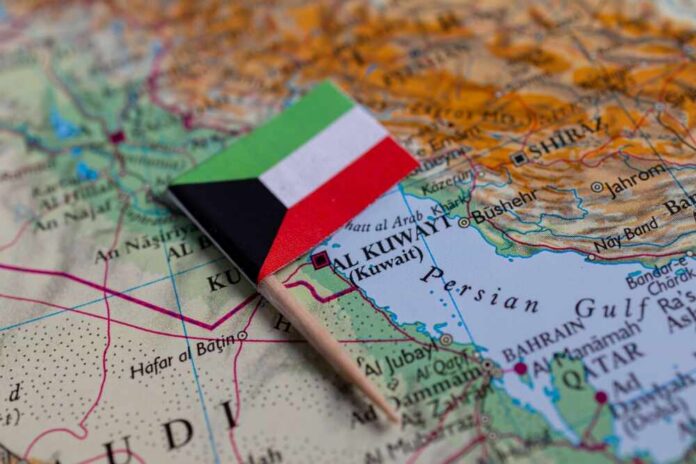
Iranian drone strikes have set Kuwait’s main oil headquarters ablaze, exposing how America’s deepening Middle East war is now threatening global energy supplies and pushing fuel prices higher—exactly what Trump promised to avoid.
Story Snapshot
- Iranian drones ignited fires at Kuwait Petroleum Corporation headquarters and Oil Ministry offices on April 5, 2026, causing severe damage but no casualties
- Kuwait has absorbed 327 ballistic missiles, 9 cruise missiles, and 709 drones since the US-Israeli-Iran war began February 28, 2026
- Attacks targeted critical infrastructure including power plants and water desalination facilities that provide 90% of Kuwait’s drinking water
- Trump’s April 4 ultimatum warning of “gates of hell” for Iran was answered with coordinated strikes across Gulf energy infrastructure
Trump’s War Brings Energy Crisis Home
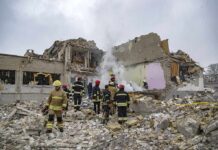
Iranian drones struck Kuwait’s Shuwaikh Oil Sector Complex early Sunday morning, igniting fires at the facility housing Kuwait Petroleum Corporation headquarters and the Oil Ministry. Kuwaiti authorities evacuated staff and deployed multiple firefighting units to control the blazes. While officials confirmed no casualties occurred, the attacks inflicted severe material damage on Kuwait’s primary oil corporation and critical government offices. This represents exactly the kind of regional escalation that Trump’s supporters expected him to prevent when they voted against endless wars.
Coordinated Assault on Critical Infrastructure
Iran launched simultaneous strikes on multiple Kuwaiti targets beyond the oil complex. Drones hit the Government Ministries Complex, causing extensive material damage and forcing the Ministry of Finance to direct employees to work remotely. Two power generation facilities were struck, knocking electricity generating units offline. Most concerning, Iranian forces targeted water desalination plants that provide ninety percent of Kuwait’s drinking water, creating a potential humanitarian crisis. The coordinated nature of these attacks demonstrates Iran’s capability to overwhelm defensive systems through multi-vector assaults.
Systematic Campaign of Economic Warfare
The April 5 attacks represent intensification of a systematic Iranian campaign that began when the US-Israeli-Iran war erupted on February 28, 2026. Kuwait’s defense ministry confirmed the nation has endured 327 ballistic missiles, 9 cruise missiles, and 709 drones since fighting commenced. On April 4 alone, Kuwaiti defenses engaged 9 ballistic missiles and 19 drones. Iran’s targeting strategy focuses on critical infrastructure with maximum economic impact rather than civilian casualties, striking energy production facilities, government operations, and water security. This approach aims to demonstrate resolve and capability while applying economic pressure on US-aligned Gulf states.
Trump’s Ultimatum Backfires
President Trump issued a warning on April 4 that “there are 48 hours left before the gates of hell open for Iran.” Iran responded within 24 hours by launching coordinated drone and missile attacks across the Gulf region, hitting Kuwait and the UAE simultaneously. In Abu Dhabi, debris from intercepted Iranian drones sparked multiple fires at the Borouge petrochemical plant, halting production. The strikes demonstrate that threats of escalation are met with escalation, dragging America deeper into precisely the kind of regime change war that frustrated conservative voters who supported Trump’s America First platform and promises to keep the nation out of new conflicts.
Kuwait’s heavy dependence on desalination for drinking water creates a strategic vulnerability that Iranian attacks are exploiting. Strikes on desalination plants pose a critical threat to the nation’s water supply, with potential long-term humanitarian consequences if production capacity cannot be restored. The damage to power generation facilities compounds the crisis, as electricity is essential for operating desalination systems. This reveals how infrastructure warfare can threaten civilian populations without direct attacks on residential areas, raising questions about the wisdom of America’s involvement in conflicts that expose allied nations to such systematic targeting.
Sources:
Jerusalem Post – Iranian Drone Attack on Kuwait Oil Complex
Arab News – Kuwait Faces Iranian Drone and Missile Strikes
Chosun – Iran Responds to Trump Ultimatum with Gulf Strikes
Arab News – Fires Brought Under Control at Kuwait Facilities
RBC Ukraine – Iran Drone Attack Targets Kuwait Oil Giant
Bloomberg – Kuwait Petroleum Headquarters Set Ablaze by Drone Strike