
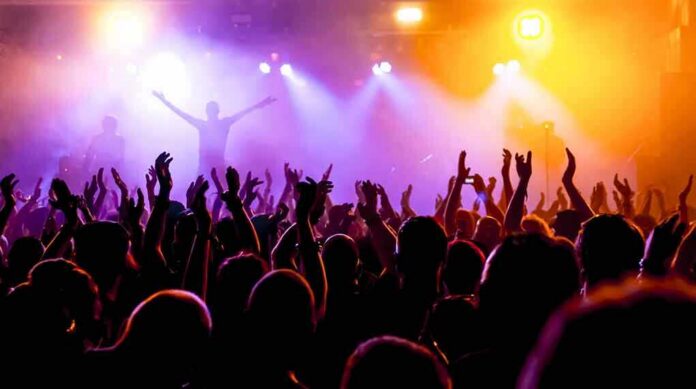
Russia’s top stadium pulled the plug on Kanye West’s October shows after lawmakers warned his past praise of Hitler could spark unrest.
Story Highlights
- St. Petersburg’s Gazprom Arena says Ye’s concerts will not happen, citing no final contract.
- Reports in Russia link the cancellation to a call “from above,” hinting at Kremlin pressure.
- Lawmakers cited Ye’s antisemitic and pro-Nazi remarks to justify blocking the shows.
- The dust-up fits a wider trend of loyalty tests and speech controls around the arts in Russia.
Venue Cancellation And Reported Political Pressure
St. Petersburg’s Gazprom Arena said the planned October concerts by the artist known as Ye will not happen. The venue stated no rental contract had been signed with promoters, which leaves no legal basis to host the shows. Local reporting said the reversal followed a call “from above,” suggesting high-level pressure on the booking. That claim, while not detailed in public, points to political risk around the event in the current climate.
Kremlin-watchers will not be shocked. When politics and pop culture collide in Russia, venues often fold fast. The Moscow Times reported the venue’s step came amid growing heat over Ye’s record of antisemitic statements. Those statements, and his praise for Adolf Hitler, have triggered cancellations across Europe since 2025, making any large show a security and reputational gamble for hosts.
Lawmakers Cite Antisemitism And Nazi Praise
Russian lawmakers and media pointed to Ye’s own words. Politico noted the backlash stems from years of remarks praising Hitler and even a song called “Heil Hitler.” The outlet also reported sales of merchandise with Nazi imagery as part of the controversy. The Moscow Times added that Ye’s past comments fueled calls to stop the Russian shows, framing the concerts as unacceptable without clear renunciation of those views.
Other voices in Russia tried to micromanage the booking rather than scrap it. Reports said some lawmakers told Ye to perform Russian folk tunes or face consequences. That push reflects a pattern where foreign artists are pressed to mirror state narratives or face bans. One lawmaker even floated conditions tied to support for the war, turning a concert into a loyalty test rather than an artistic event.
Pattern Of Speech Controls And Loyalty Screening
Independent research on Russia’s culture sphere shows this is part of a larger trend. Analysts have tracked post-2022 contract clauses that ban political statements, and blacklists that freeze out dissenting artists. These controls make promoters risk-averse and give officials leverage over bookings, especially during wartime. The result is fewer neutral stages and more political gatekeeping for tours and festivals.
That does not excuse Ye’s own offensive statements. They are documented, and they carry consequences. But the Russian response highlights a different problem: the state’s heavy hand over speech and art. Instead of civic debate, officials hint at top-down calls. Instead of clear security rules, artists face vague red lines and ideological hoops. Conservatives know this playbook: government power grows, free expression shrinks, and citizens lose the space to choose for themselves.
What This Means For American Readers
American families have seen this spread. In Europe, venues cite public order to cancel shows. In Russia, officials demand political conformity. In both places, culture becomes a weapon. That is bad for liberty, and it rarely ends with one artist. Today it is Ye. Tomorrow it is any voice the gatekeepers dislike. The Constitution protects free speech here at home. We should defend that principle, even when speech offends, because the alternative is state-approved art only.
Bottom Line And Open Questions
Gazprom Arena’s withdrawal stops Ye’s St. Petersburg shows for now, with reports pointing to political pressure and public backlash over his past remarks. The Kremlin signaled there were no plans for any meeting with President Vladimir Putin, cutting off that rumor before it grew. The core facts are solid: no contract, no shows, and a climate where culture must pass political tests. Whether another Russian venue steps in remains unclear.
Sources:
feedpress.me, bbc.com, themoscowtimes.com, politico.eu, rttnews.com, rt.com, theguardian.com