An ISIS-inspired terrorist used a vehicle to kill on Bourbon Street, and investigators say he acted alone, underscoring the danger of lone-wolf jihad at home.
Story Highlights
- Federal Bureau of Investigation (FBI) classified the Bourbon Street attack as terrorism and cited ISIS inspiration.
- FBI says suspect Shamsud-Din Jabbar embraced extremist views in spring 2024 and acted alone.
- Reporters said an ISIS flag and potential devices were found in the vehicle during early searches.
- Officials stressed there is no evidence of accomplices or a direct foreign handler in the case.
FBI Says ISIS Inspiration Drove the Bourbon Street Killer
FBI officials said the New Orleans attack was an act of terrorism and that the suspect was inspired by the Islamic State group. Agents first treated the case as terrorism and checked for links to foreign groups. They reported an ISIS flag connected to the vehicle and reviewed the suspect’s media. This is not a bar fight or random rage. This was ideological violence that targeted civilians on an iconic American street, during a holiday crowd, to sow fear.
The FBI later said the attacker, identified as Shamsud-Din Jabbar, began following extremist views in spring 2024. That timeline shows a long, steady slide into hate, not a sudden snap. Officials stated the current evidence indicates he acted alone. That points to a familiar pattern: a self-radicalized offender, fueled online, who needs no orders to kill. It also shows why local vigilance, digital tracking, and strong community tips still matter most.
Early Chaos, Then Clarity: Lone-Actor Terror Confirmed
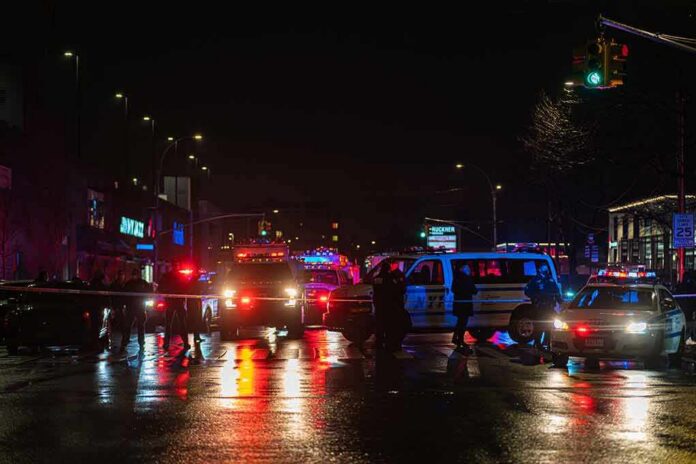
Right after the rampage, police and federal teams searched the French Quarter for threats. Reporters said investigators found firearms and what looked like an improvised explosive device in the vehicle. They also described ISIS imagery tied to the suspect’s car. In the fog of those first hours, officials probed whether others helped plan the attack. As the evidence came together, the lone-actor picture hardened, and the team ruled out accomplices.
By the next updates, federal officials said they believed Jabbar acted independently. News outlets reported that agents found no proof of a broader cell or a foreign handler. That conclusion matters. It tells us the threat did not come from a complex network. It came from one man who absorbed violent propaganda and chose to strike. Lone offenders are harder to catch in time because there are fewer calls, fewer purchases, and fewer chances to trip an alarm.
What This Means for Security, Policy, and Freedom
Law enforcement needs clear rules, sharp tools, and community trust to stop the next lone-wolf attack. The FBI’s terrorism classification gives agencies the lead they need to pursue digital trails fast and share data. Conservatives should demand two guardrails at once: strong counterterror powers to stop killers, and firm limits that protect speech, faith, and the right to bear arms. We can target violence and foreign terror propaganda without spying on law-abiding Americans.
I am born and raised here in New Orleans. I have seen this sort of unprovoked racist attack more times than I can remember in everything from churches to Bourbon Street. I experienced myself in a checkout line in a grocery store from behind. Happened more than you know. #hateful
— James Martello 🇺🇸🇻🇦🇺🇦🇮🇱🇮🇹🇩🇪 (@JimmyMartello50) September 5, 2026
Analysts say online ecosystems help move people from grievance to action. The suspect’s path into extremist content in 2024 fits that model. But the public record does not show a direct tie to Gaza or a specific United States policy trigger. The evidence we have points to ISIS inspiration, not a claimed act of foreign-policy revenge by the attacker. That keeps the focus where it belongs: stopping radicalization pipelines and hardening soft targets on Main Streets and Bourbon Street alike.
Where Accountability and Common Sense Meet
Families deserve safety when they take a stroll, attend a parade, or visit a landmark. The New Orleans case shows why secure borders, smart terror watchlisting, and tough sentencing still matter. It also shows why we must end sanctuary city games and reject soft-on-crime habits that drain police time. President Trump’s team has set a zero-tolerance stance toward terrorism. Congress and cities should match it with resources, not rhetoric, so officers can act before a vehicle becomes a weapon.
Sources:
theamericanconservative.com, fbi.gov, nbcnews.com