
President Trump offered $1 million for tips that lead to an arrest and conviction for voter fraud, putting a giant bounty on proof instead of rumors.
Story Highlights
- Trump announced a $1 million reward tied to arrest and conviction for voter fraud.
- The offer covers past elections and the 2026 midterms, aiming for actionable leads.
- Reporters say funding, rules, and process were not detailed at launch.
- Critics argue fraud is rare; the White House is betting money on hard evidence.
What President Trump Announced And Why It Matters
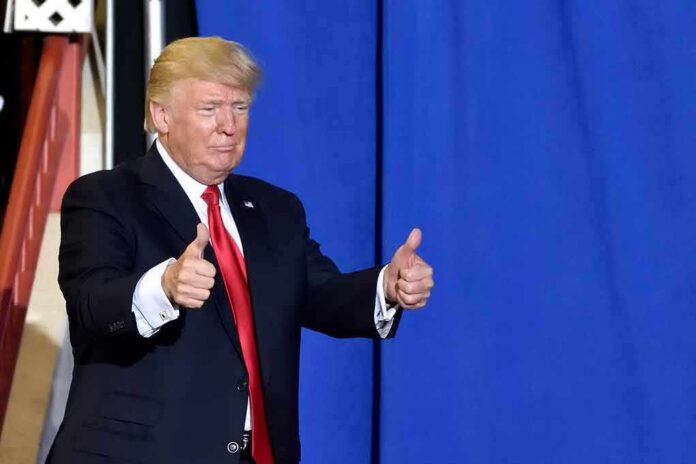
President Trump said on October 26 that anyone who reports voter fraud leading to an arrest and conviction will receive $1,000,000. He said the goal is to spark tips that prosecutors can use. He applied the offer to past elections and to the 2026 midterms. Reuters reported his remarks the day of the announcement before a campaign stop. The condition of both arrest and conviction sets a high bar meant to screen out noise and push for solid cases.
Trump’s written statement on social media repeated that the reward requires an arrest and a conviction. That wording signals a focus on evidence that stands up in court. It also sets clear stakes for anyone who files a claim. The plan targets fraud that affects real votes, not just rumors online. That approach aligns with basic law-and-order values. It says, bring facts, name names, and help put bad actors in handcuffs before any money moves.
The Scope: Past Elections And The Midterms
Trump’s offer spans both older elections and the vote this fall. That wide scope invites witnesses from any state and any year to step forward. It also raises the chance that old tips can be matched with newer probes. If a lead ties to charges and a conviction, it counts. This framework could help connect scattered reports into real cases. It also gives citizens a single, simple target: proof that a court confirms.
Timing adds pressure. The announcement came eight days before the midterms, when claims spread fast and trust runs thin. Supporters will see urgency in policing the vote. Opponents will say it is politics. Either way, the threshold is legal proof. An arrest and a conviction are not campaign talking points. They are outcomes that require evidence, charges, a trial, and a jury or judge to say guilty beyond a reasonable doubt.
The Missing Pieces: Process, Funding, And Guardrails
Reporters pressed for details and did not get them on day one. Questions remain about who runs intake, how the government tracks tips, what funds pay rewards, and when payment is final. Clear rules would help weed out duplicates and false claims. A defined channel would speed good leads to the right investigators. Without these parts, citizens may not know where to send evidence, and courts may face more noise than signal.
A clean design would include a public tip portal, a case number for chain of custody, and a standard to link a tip to any arrest and conviction. It should also state when a payout is due, such as after sentencing or after appeals end. Those steps protect taxpayers and protect reputations while a case is pending. They also help honest citizens who want to do the right thing and expect fair treatment for their effort.
What Critics Say About Fraud — And The Administration’s Bet
Several outlets point to studies that say proven voter fraud is rare. SciLine cites research showing few confirmed cases, including about four cases for every ten million mail ballots on average from 2016 to 2022. That summary challenges claims of widespread, systemic fraud. The administration’s offer pushes a different test: put up solid facts that lead to a guilty verdict. If fraud is rare, few people will qualify. If it is real, courts will show it.
President Donald Trump on Monday offered a $1 million reward to anyone who reports voter fraud that leads to an arrest and conviction. https://t.co/IySRqhUEia
— FOX 5 Atlanta (@FOX5Atlanta) October 28, 2026
Critics also highlight the lack of setup details and the late timing before the vote. Supporters counter that large rewards often unlock silent witnesses and break complex crimes. Both can be true. The answer will come from results, not rhetoric. If the White House releases rules, posts an audit trail, and pays only after convictions, the program can add light, not heat. That would respect both election integrity and due process under the law.
Sources:
youtube.com, abcnews.com, nbcnews.com, nytimes.com, brennancenter.org