
Bob Woodward says Jeff Bezos killed a Kamala Harris endorsement and rewired the Washington Post’s opinions, raising hard questions about media power and trust.
Story Snapshot
- Woodward alleges Bezos stopped a planned Harris endorsement and ended presidential endorsements.
- The Post formally adopted a policy of no presidential endorsements in October 2024.
- Woodward says Bezos shifted opinion pages toward personal liberties and free markets, limiting dissent.
- Bezos defends the changes as a principled push for credibility and independence, with no quid pro quo.
What Woodward Says Happened Inside the Post
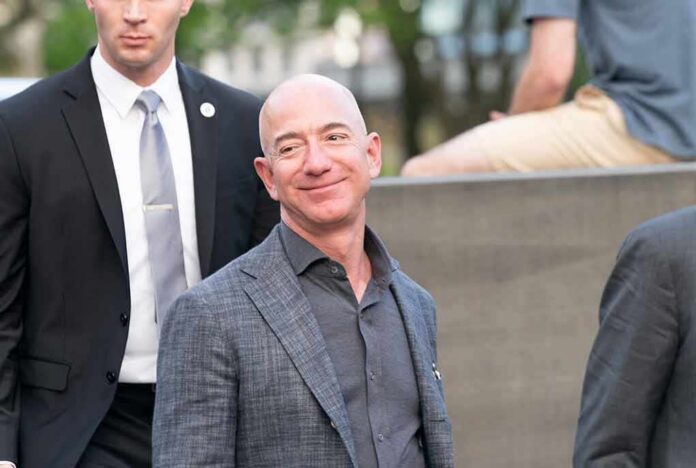
The New York Times reports that Bob Woodward’s new memoir describes a turning point before the 2024 election. He claims Jeff Bezos moved to stop a draft Kamala Harris endorsement and then ended presidential endorsements at the Washington Post. The paper soon announced a policy to no longer endorse candidates for president, effective immediately, through its own editorial pages. Woodward frames this as a breach of trust and a blow to the paper’s standing.
Woodward also says the opinion pages were reset to back personal liberties and free markets and to keep out opposing views. He argues that this narrowed the debate readers could see in a key national forum. He ties these changes to concern about credibility and influence at a time when trust in media is thin. His account is based on memoir excerpts reported ahead of publication, so full records are not yet public.
What Bezos and Post Leaders Say in Response
Jeff Bezos says ending presidential endorsements was a principled call. He argues endorsements do not change elections but do fuel claims of bias and non-independence. In a Washington Post essay, he wrote that neither campaign was consulted and that there was no quid pro quo at all. A Washington Post column also described the new non-endorsement stance, confirming the policy shift from the publisher in October 2024.
Coverage notes that newsroom leaders told staff the independence of news reporting did not change. They said the strategic moves were about trust, business health, and clear opinion framing, not meddling in news stories. Reporters cited in industry coverage said they had not seen evidence of Bezos interfering beyond business direction, though Woodward argues the cumulative effect still harmed the institution’s reputation.
Why This Matters for Readers and the Country
Media power shapes what voters hear in an election year and beyond. Owners have long held the final say on editorial boards and endorsements, even at storied papers. The Post’s decision to exit presidential endorsements is real and documented. That move may reduce one kind of bias signal, as Bezos says. But it also shows how a single owner can reset a national platform that helps define debate, even without touching daily news coverage.
For conservatives, there is a clear test. If an owner can block one endorsement, he can block another. If he can narrow allowed viewpoints on opinion pages, others can too. The stated pillars of personal liberty and free markets sound right to many of us. Yet viewpoint limits can boomerang. Tomorrow’s owner could fence out pro–Second Amendment voices or border-security arguments. Openness protects everyone’s speech, not just the views in favor today.
How to Read the Claims and the Evidence
Some of Woodward’s claims rely on his memoir, released soon, not on full internal documents in public view. That means certain numbers and motives are not independently verified in the available reports. Still, several facts are solid. The Post announced the end of presidential endorsements in late October 2024. Bezos publicly argued that endorsements stoke bias claims and that no political deal drove the choice. These are on-the-record positions readers can weigh.
Practical takeaways are simple. Trust but verify claims from all sides. Demand transparency from powerful media owners and publishers. Support newsrooms that allow a full range of opinion, including strong pro-freedom voices. And remember that a free press stands strongest when it resists both government pressure and owner-driven narrow gates. Readers gain when ideas compete in the open and lose when the lane is set by a few at the top.
Sources:
nytimes.com, washingtonpost.com, nysun.com, cjr.org