
Fresh Israeli strikes in southern Lebanon have killed 16 people and stalled US-Iran talks, exposing once again how Iranian-backed terror on Israel’s border keeps pushing the region – and American interests – to the brink.
Story Snapshot
- Israeli forces hit Hezbollah targets in southern Lebanon after repeated ceasefire violations and deadly attacks on Israeli troops.
- The strikes killed at least 16 people and came as four Israeli soldiers were reported dead in the same area.[3]
- Iran halted or delayed talks with the United States, using Israel’s campaign against its Hezbollah proxy to gain leverage.
- Ongoing clashes and double-tap drone tactics show Hezbollah is not interested in real peace, only pressure and propaganda.[1]
Israeli Strikes, Hezbollah Attacks, And A Ceasefire In Name Only
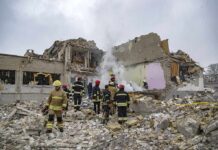
Associated Press video from the ground reports that Israel struck targets “throughout southern Lebanon overnight,” and that at least 16 people were killed in the latest round of fighting.[3] The Israeli army said four of its soldiers were killed in southern Lebanon, and that the strikes came after “repeated violations of the ceasefire” by Hezbollah, which is armed and funded by Iran.[3] Hezbollah had just claimed an attack on Israeli troops near the city of Nabatieh, underscoring that the border is still a live war zone, not a calm truce.[3]
Independent conflict briefings add more detail to the pattern: Israel carried out about 40 air strikes on villages across southern Lebanon in one night, while Hezbollah released video of a first-person-view drone attack on Israeli Defense Forces soldiers at the Jal al-Alam site in northern Israel.[1] That footage shows Hezbollah still hunting Israeli troops just across the border, even as diplomats talk ceasefire. The result is a cycle where every Hezbollah rocket or drone invites another Israeli strike, and the so-called calm never really arrives.[1]
How Hezbollah’s Actions Are Undercutting Diplomacy And Feeding Iran’s Leverage
Regional analysts note that Tehran paused or hardened its indirect talks with Washington once Israel expanded its operation against Hezbollah in Lebanon. Iranian media and officials framed US proposals as “surrender” and demanded guarantees against future attacks, plus an end to sanctions and naval pressure.[1] That posture means every flare-up in southern Lebanon becomes a bargaining chip for the Iranian regime. Instead of restraining Hezbollah, Iran lets it needle Israel, then blames Jerusalem for any pause in talks to win more concessions at the table.[1]
Other coverage describes a wider pattern in which Israeli strikes in Lebanon are said to threaten a fragile ceasefire between the United States and Iran and risk regional spillover.[4] Lebanon’s civil defense officials report hundreds of deaths and more than a thousand injuries from recent attacks, while over a million people have been displaced by evacuation orders and damage to basic infrastructure like roads and utilities.[4] Israeli leaders answer that Hezbollah embeds inside civilian areas, turning homes and towns into human shields while firing on Israeli communities, so striking those sites is about self-defense, not conquest.[4]
Hezbollah’s Double-Tap Tactics And What They Mean For Israel And The U.S.
Earlier in the month, Reuters reported on a Hezbollah “double-tap” drone strike in southern Lebanon that hit an Israeli vehicle and then struck again as rescuers rushed in, killing or wounding additional soldiers. That kind of tactic is designed to maximize Israeli losses and spread fear among first responders. It also undercuts claims that Hezbollah is simply reacting defensively; it is selecting targets and timing for maximum military and psychological impact, even during ceasefire extensions and high-stakes diplomacy. For a US ally, failing to answer those attacks would invite more.
🇮🇱🇱🇧 Israeli Finance Minister Bezalel Smotrich wants to "open the gates of hell" after 4 IDF soldiers were killed in southern Lebanon.
The soldiers, including tank battalion commander Lt. Col. Dor Gedalia Ben Simhon, died in a Hezbollah strike on their tank near Kfar Tebnit… https://t.co/Oa97ZwaS43 pic.twitter.com/OjCJuW6PjC
— Mario Nawfal (@MarioNawfal) June 19, 2026
American mediators have tried to keep diplomacy alive anyway, hosting the first in-person meeting between Israeli and Lebanese representatives in decades to discuss ending the conflict with Hezbollah.[6] Yet even as they met, reports from Lebanon and international outlets described “daily bombardment” in the south and strikes that killed more than 250 people in some of the heaviest episodes of the war.[6][9] Iran’s leaders publicly warned that Israeli actions in Lebanon violated the ceasefire and could make negotiations “meaningless,” turning the pressure back on Washington to rein in its closest regional partner.[9] For US conservatives, this script is familiar: Iran uses terror proxies to destabilize, blames Israel for the chaos, then leans on American diplomats for relief.
Sources:
[1] YouTube – Israeli strikes hit southern Lebanon amid fighting; US-Iran talks …
[3] Web – Israeli drone strikes kill at least 4 in southern Lebanon | Reuters
[4] Web – Israel strikes southern Lebanon after evacuation warnings to several …
[6] Web – Israeli air strikes on Lebanon continue despite US-Iran deal
[9] YouTube – Could Israeli attacks on Lebanon derail peace deal?