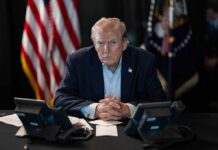

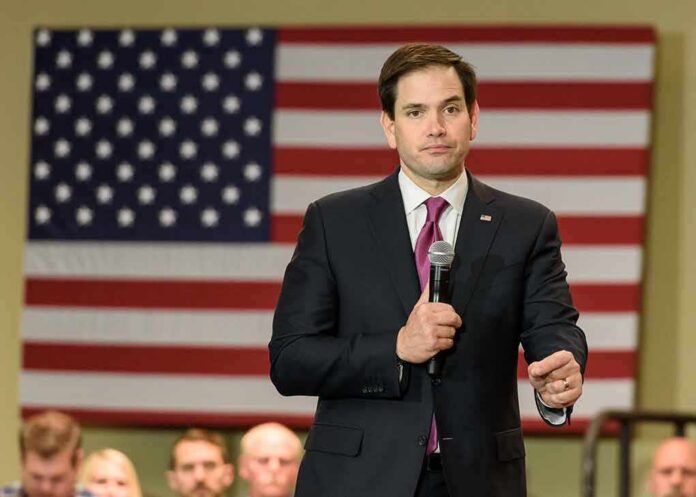
America’s security aid, including under President Trump, is being credited by Secretary of State Marco Rubio with keeping Ukraine alive as a sovereign nation.
Story Snapshot
- Secretary of State Marco Rubio said U.S. assistance, including under Trump, kept Ukraine sovereign.
- Congressional research records show tens of billions in U.S. security aid since 2014.
- U.S. support surged after Russia’s 2022 invasion through multiple legal programs.
- Analysts and Ukrainian leaders offer mixed views on whether aid was strictly indispensable.
Rubio’s Statement and Why It Matters to U.S. Interests
Secretary of State Marco Rubio told reporters in India on October 21, 2026, that without U.S. help, “there would be no Ukraine right now,” and that aid under President Trump was part of that lifeline. Rubio tied U.S. support to the survival of a free nation under attack by Russia. His remark underscores a plain message: American strength, delivered through lawful, accountable programs, can check aggression overseas while protecting U.S. credibility and allies at home.
Rubio’s framing also answers a core question for conservatives. What did taxpayers get for years of support? The answer from official records is concrete: training, gear, air defense, armor, ammunition, and intelligence help that raised Ukraine’s costs for Russia and kept a hostile regime from sweeping Europe’s east. Rubio’s emphasis on Trump-era aid highlights continuity of purpose under President Trump’s leadership now, focused on peace through strength and prudent leverage of American power.
What the Official Record Shows About U.S. Aid
Congressional Research Service reporting documents steady U.S. security assistance to Ukraine since 2014. Before 2022, the United States provided more than $2.7 billion to help Ukraine defend its territory and work better with NATO. After Russia’s full invasion in 2022, U.S. security support expanded sharply, with more than $47 billion committed by late 2023 for defense articles, training, and support functions vital to border defense and air protection. These figures reflect policy, not rhetoric.
Officials used several lawful channels to move aid. These included Presidential Drawdown Authority for rapid transfers from U.S. stocks, the Ukraine Security Assistance Initiative to buy new equipment, and Foreign Military Financing to help procure systems and services. The program’s design spread risk, sped deliveries, and matched Ukraine’s needs as the fight changed. This structure shows Congress and the executive branch aimed for accountable aid, not blank checks.
How to Read Rubio’s Claim Against the Evidence
Rubio made a strong, simple point: U.S. help kept Ukraine on the map. The public record backs the scale and purpose of aid, but it does not prove a precise counterfactual about what would have happened without it. Analysts have said Ukraine might not fall right away even if U.S. aid stopped, and that Europe’s support has grown. These views do not deny that U.S. aid mattered; they question whether it alone was strictly indispensable to sovereignty.
For readers who demand prudence and results, two truths can stand together. First, U.S. aid, including under President Trump, clearly boosted Ukraine’s defense, cost Russia dearly, and helped prevent a wider European crisis. Second, experts disagree on whether aid was the single deciding factor in survival. Responsible reporting stays with what the record shows: large, lawful, and timely support aligned with U.S. interests and delivered with congressional oversight.
Why Conservatives Should Care: Strength, Accountability, and Peace
U.S. leadership works best when it is strong, targeted, and accountable. The Ukraine package followed existing law, used defined tools, and aimed at stopping a hostile power without sending American troops into combat. That approach reflects conservative priorities: defend national interests, keep faith with allies, deter larger wars, and control costs. It also fits President Trump’s stance today—back strength that advances peace, and demand clear value for every dollar.
🚨 🇺🇸🇺🇦 Marco Rubio: “Without U.S. assistance, including under the Trump administration, Ukraine might not exist today.”
Secretary of State Marco Rubio highlights America's role in supporting Ukraine, stating that Washington will no longer shy away from defending the billions of… pic.twitter.com/I4erCARoA8
— NewsXGlobal (@rpdnetwork) October 21, 2026
Fiscal hawks want proof the money mattered. The public record provides it in part: upgraded air defenses shield cities, artillery holds lines, and training improves unit performance. Still, some open questions remain about delivery timing and battlefield use, as public summaries track commitments better than every item’s arrival and effect. Congress and inspectors can keep pressing for audits, which is exactly how limited government should work—trust, verify, and adjust.
Sources:
facebook.com, congress.gov, legis1.com, hsdl.org