

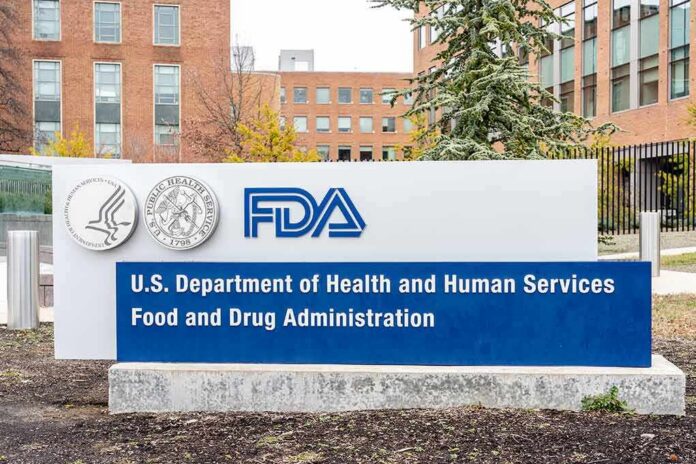
The Food and Drug Administration told a federal court it will keep mail and pharmacy access to the abortion pill in place while a safety review runs into 2027, delaying any change that pro-life states have sought.
Story Highlights
- Food and Drug Administration says its mifepristone safety review will run until March 2027, with no new limits before then.
- A federal court paused Louisiana’s lawsuit while the agency completes its review, preserving current mail and pharmacy access for now.
- Food and Drug Administration says it is mining large health data to check for unknown safety risks; final findings are not yet issued.
- Pro-life groups say the agency should move faster and weigh evidence claiming higher complication rates.
What The Food and Drug Administration Told The Court
The Food and Drug Administration filed an update saying it expects study results by mid-December and a full report by March 2027. The agency said it is reviewing whether to change the drug’s safety program and will not impose new restrictions before that report. That means telehealth, mail dispensing, and certified-pharmacy pick-up stay in place during the review. The filing makes clear this is an active scientific review, not a final safety ruling at this time.
A federal appeals order describes the fight as a challenge to the 2023 risk-mitigation rules, not a recall or a market withdrawal. Court filings say the Food and Drug Administration began a comprehensive review in 2025, and judges have pressed pause to let the agency finish its work. This posture keeps national access rules unchanged for now while the science review proceeds inside the agency, with status updates to the court as deadlines approach.
How The Court’s Pause Affects Access
A district court ruling in the Louisiana case stayed the litigation while the Food and Drug Administration completes its safety review. That stay means no immediate federal rule changes will occur because of the case. The government’s filing also commits to keeping current access in place during the review window. As a result, women can still receive mifepristone by mail and through certified pharmacies during this period, unless a new court order intervenes sooner.
Because the case is about the risk rules, not a new emergency signal, the judges chose not to short-circuit the agency review. The court structure reflects a common pattern in drug regulation fights. When politics heat up, courts often seek stability while experts review data. But this pause does not end the policy dispute. States and advocacy groups on both sides continue to press their arguments in public and prepare for the Food and Drug Administration’s final decision in 2027.
What The Food and Drug Administration Is Studying Now
The Food and Drug Administration says it is using its Sentinel data system and statistical data mining to look for unknown safety concerns tied to current use patterns. The agency expects results first, then will decide if changes to the risk program are needed. That timeline signals no immediate conclusion that current rules are unsafe. It also leaves important questions open, including whether mail dispensing and telehealth are equally safe for all patients under every condition.
The FDA says its ongoing safety review of the main abortion pill in the U.S. will continue into next year. https://t.co/kS7zofXpaU
— KOB 4 (@KOB4) October 8, 2026
Opponents argue the Food and Drug Administration should act faster and include analyses that claim higher complication rates. A Politico brief quotes Susan B. Anthony Pro-Life America’s leader calling for the agency to weigh a conservative analysis reporting far higher serious-event rates than past government data. Others argue the agency relied too much on studies that assumed in-person checks, not mail-only care. These groups want tighter guardrails back in place sooner.
Known Risks And The Unsettled Debate
The Food and Drug Administration’s own drug label warns that serious infections and bleeding, though rare, can occur after medical or surgical abortion, including with mifepristone. Post-marketing summaries list fatal cases that included sepsis among reported outcomes. Those records underscore why clear screening, follow-up care, and honest risk communication matter. They also explain why some states and doctors favor in-person checks to catch ectopic pregnancy or other red flags before the pills are used.
Abortion-rights advocates cite long approval history and wide use to defend the current system. They argue real-world use and many studies support safety and effectiveness. The current record in court, however, focuses less on broad claims and more on the process. Judges and the Food and Drug Administration are centering the question on whether today’s access rules need changes. Until the final report arrives, the agency has not issued a fresh merits finding that mail-and-telehealth access is safe for every risk group.
What Conservatives Should Watch Next
Conservatives should track three things. First, the Food and Drug Administration’s study plan, including methods and outcomes, because those choices shape the result. Second, any court shift that could speed or slow rule changes before 2027. Third, Congress and states weighing stronger reporting and in-person safeguards, especially for screening, informed consent, and timely emergency care. The stakes are high: a national mail-first model without solid guardrails can put vulnerable women at risk and sideline state authority.
President Trump’s administration now owns the outcome of this review. Voters should expect clear data and transparent methods before 2027. Families deserve a system that protects life and health, respects state roles, and tells the truth about risks. A careful, open process can correct past shortcuts and restore trust. If the Food and Drug Administration finds safety gaps, it should act fast to tighten rules. If not, it should show the data and explain why current controls suffice.
Sources:
cbsnews.com, ca5.uscourts.gov, thehill.com, reproductiverights.org, wbrz.com