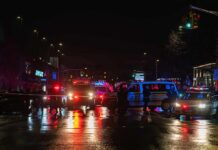

A deadly explosion ripped through a Bolivian army base, killing at least 10 people and injuring many more, according to early official reports.
Story Highlights
- At least 10 dead and dozens injured after an explosion at a Bolivian military base near La Paz.
- Authorities warned of possible further blasts and urged the public to stay away from the area.
- Initial casualty figures varied as officials updated numbers through the day, which is common after such disasters.
- The event adds to recent security strains in Bolivia, including unrest around military sites.
Confirmed Blast And Rising Toll At Military Installation
Bolivian authorities reported a deadly explosion at an army facility in Viacha, near La Paz, that left at least 10 people dead and dozens injured. Officials described an active emergency response and urged residents to avoid the site due to the risk of more explosions. Early police statements listed fewer deaths, but the toll rose as rescue work advanced and hospitals received victims. Emergency teams searched damaged structures while military and police secured the perimeter to prevent secondary harm.
Local officials stated the blast struck in the afternoon, triggering panic and sending smoke over nearby neighborhoods. Hospitals activated surge plans to handle burn and blast injuries. The defense ministry coordinated with regional leaders to move the wounded and assess damage to the installation. Authorities did not release a full cause assessment, and they warned that unstable material on site could complicate recovery operations. Police and military investigators began collecting debris and logs to reconstruct the sequence.
Why Casualty Counts Change In The First Hours
Disaster reporting often sees shifting casualty totals as responders locate victims, check hospital records, and confirm identities. Data projects that track conflict and disasters advise using the most conservative, confirmed figures early on and expect revisions as evidence firms up. In blasts at storage or military sites, specialists also note that human losses frequently end up higher than first presumed once access improves and hazardous material is stabilized. This pattern fits Bolivia’s updates through the day.
Reporters and officials balance speed and accuracy in these moments. Police may first confirm deaths they can verify at the scene, while health authorities later add hospital fatalities. Family notifications and identification rules can slow formal counts. These factors do not signal confusion or cover-up by themselves; they reflect standard emergency practice and safety limits in dangerous sites. Bolivia’s public statements tracked that normal process as responders expanded access.
Security Context Around Bolivian Military Sites
Recent episodes show pressure around military facilities in Bolivia. In separate incidents this year, armed factions reportedly targeted posts and seized weapons, and the armed forces described kidnappings of soldiers during one takeover outside Cochabamba. Street unrest in La Paz has also featured explosions during clashes tied to political demands, raising broader concerns about public safety and control of explosive materials in tense settings. These events form the backdrop to today’s base disaster, even as the cause here remains under inquiry.
💥 DEADLY BLAST HITS BOLIVIAN MILITARY BASE 🇧🇴
At least 10 killed, 62 injured after an explosion at a military facility in Viacha, Bolivia. 7 remain unaccounted for.#bolivia #breakingnews #worldnews #explosion #news pic.twitter.com/KMKQ9UTQGv
— Novapulse live (@Novapulse_live) September 5, 2026
For readers focused on order and rule of law, these trends matter. Military sites hold dangerous stockpiles and specialized gear. Any failure in storage, any sabotage, or any stray device in a protest zone can turn streets or barracks into a hazard. Bolivian authorities face a duty to secure munitions, harden perimeters, and keep civilians safe. Clear findings on the Viacha blast, plus swift safety fixes, are the next test that citizens should expect and demand from leaders.
What Comes Next For Bolivian Officials
Investigators will trace the blast seat, test residue, and review logs to rule in or out accident, negligence, or criminal action. Commanders will audit storage, training, and emergency procedures at similar sites nationwide. Hospitals will document injury patterns to guide future preparedness. Public updates should give timelines, name responsible offices, and list fixes by deadline. These steps can reduce risk at other depots and reassure families who are waiting for answers after a deadly day in Viacha.
Sources:
youtube.com, reuters.com, newsnow.com, livemint.com, bbc.com, investing.com