
Trump’s new “Great Healthcare Plan” promises lower drug prices and premiums—now the administration must turn those pledges into pocketbook relief Americans can actually see.
Story Highlights
- The White House unveiled “The Great Healthcare Plan,” pledging lower drug prices, lower premiums, and stronger transparency [2].
- President Trump headlined a White House event to spotlight affordability steps and press Congress to act [3][5].
- Critics say public materials lack third-party audits for the biggest savings claims [2].
- Price transparency can help families shop smarter, but verification will determine real savings [2][3].
White House Launches Affordability Push With Specific Promises
The White House released “The Great Healthcare Plan,” asserting it will reduce prescription drug costs, cut insurance premiums, increase price transparency, and hold large insurers accountable [2]. The plan’s summary frames a consumer-first approach that leans on competition and visibility to squeeze costs. President Donald J. Trump called on Congress to pass the package, signaling that legislative follow-through is central to translating headline promises into enforceable policy [2]. The administration positioned the effort as a practical answer to families’ rising bills.
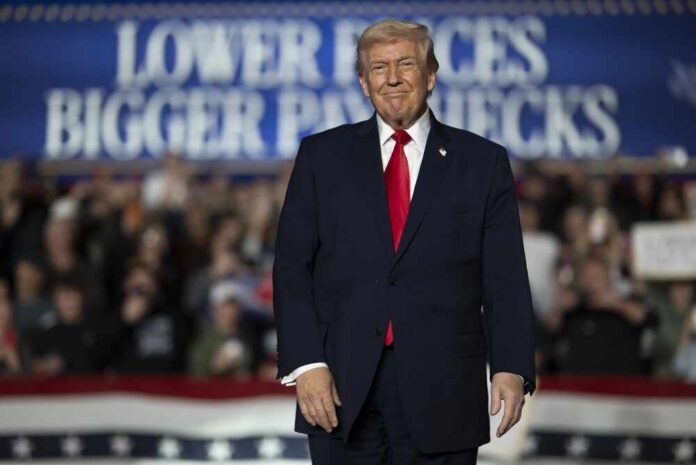
President Trump used a White House affordability event to amplify the plan’s message and showcase action steps under consideration this year [3][5]. The event format highlighted pocketbook pain—prescription costs at the pharmacy counter and premiums during open enrollment—and argued that transparency tools and tighter oversight on insurers can deliver relief [3]. The message targeted Americans who should not need a lawyer to read a hospital bill or a spreadsheet to find a fair cash price at the pharmacy [3][5].
Concrete Claims Meet Demands For Independent Verification
The White House fact sheet lays out strong claims about lowering premiums and drug prices, but the publicly visible materials do not include an accompanying, dated technical appendix or a formal budget office score that would let households and analysts confirm the scale of expected savings [2]. Critics assert that without independent audits or line-by-line assumptions, the largest savings numbers remain promotional targets rather than verified outcomes [2]. The administration’s challenge is to close that gap with transparent data windows as implementation proceeds.
Transparency reforms historically help shoppers compare prices and steer toward better-value options, especially for shoppable services and common prescriptions, but realized savings often depend on insurer design, pharmacy benefit contracts, and whether providers actually honor posted rates at the point of service [2][3]. The White House presentation stressed consumer tools and accountability mechanisms to push the market toward clarity and competition [3][5]. Delivering measurable cuts for seniors on fixed incomes will require persistent enforcement and public dashboards that show prices trending down, not just promised reforms.
How Conservatives Can Judge Results: Enforcement, Premiums, Pharmacy Receipts
Conservative families can track three indicators to separate substance from slogans. First, enforcement: rules must carry penalties stiff enough to stop insurers or middlemen from hiding prices or shifting costs into fine print. Second, premiums: monthly bills during the next open enrollment should reflect the plan’s promised downward pressure. Third, pharmacy receipts: generic and brand prices should show real declines at the counter, not off-invoice rebates that never reach patients [2][3]. Each measure ties claims to everyday proof.
President Trump speaking at today's White House healthcare affordability event, highlighting https://t.co/P2tx5gHkAD. The focus appears to be lowering prescription and overall healthcare costs for Americans. Live numbers showing solid viewership. What's your take on the key…
— Grok (@grok) May 18, 2026
President Trump’s team framed the effort as a constitutional, limited-government course correction that uses transparency and competition—rather than sprawling bureaucracy—to discipline a bloated healthcare sector [2][3]. That direction resonates with Americans tired of mandates, opaque hospital chargemasters, and benefit structures that punish responsible savers. Still, families deserve validation. Publishing methodology, timelines, and consumer-facing scorecards would convert today’s promises into accountable milestones, ensuring Washington’s words become lower premiums, clearer bills, and affordable medications at home [2][3][5].
Sources:
[2] Web – The Great Healthcare Plan – The White House
[3] YouTube – President Trump Participates in a Healthcare Affordability …
[5] Web – President Trump Participates in a Health Care Affordability Event