
World health officials have again put Ebola on the global alarm list, and the new declaration exposes how fast a regional outbreak can turn into an international concern.
Quick Take
- The World Health Organization (WHO) declared the Ebola outbreak in the Democratic Republic of the Congo and Uganda a Public Health Emergency of International Concern [2].
- WHO said the event does not meet the criteria for a pandemic emergency, which matters because the legal label is narrower than the media shorthand [2].
- Reported figures show hundreds of suspected cases and dozens of deaths, but the counts are still moving as surveillance catches up [1][3].
- The Bundibugyo strain has no approved vaccine or treatment, so containment depends on isolation, tracing, and disciplined border monitoring [2][4].
WHO’s emergency call and what it means
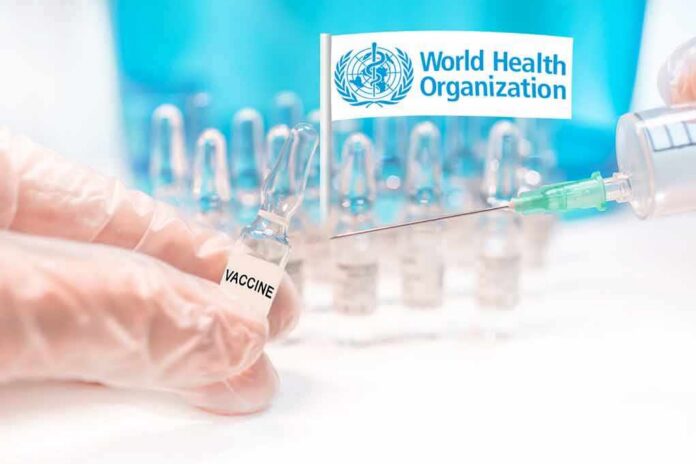
WHO Director-General Tedros Adhanom Ghebreyesus determined that Ebola disease caused by the Bundibugyo virus in the Democratic Republic of the Congo and Uganda constitutes a Public Health Emergency of International Concern [2]. The agency said international spread has already been documented, including confirmed cases in Kampala after travel from the Democratic Republic of the Congo [2]. WHO also said the event does not rise to a pandemic emergency, a distinction that matters for how governments should frame the risk [2].
That legal distinction cuts through the noisy headline language that often gets dumped on readers. Many outlets use “global health emergency” as a catchall, but WHO’s formal term is more precise and less theatrical [2][3]. For Americans tired of bureaucratic spin and alarmist messaging, the key point is simple: this is a serious cross-border outbreak, not a COVID-style pandemic. The danger is real, but the response should stay grounded in facts rather than panic.
Reported spread and surveillance gaps
WHO-linked reporting shows the outbreak is centered in Ituri Province and has spread across multiple health zones, with suspected cases and deaths rising as investigators work through incomplete reporting [1][3][5]. One report cited 246 suspected cases and 80 suspected deaths in the province, while another said Africa Centres for Disease Control and Prevention figures had reached 336 suspected cases and 87 deaths by May 17 [1][3]. Those mismatched totals show how quickly outbreak data can shift.
STAT reported that WHO warned there may be a potentially much larger outbreak than the one currently being detected, which points to the biggest practical problem in eastern Congo: surveillance is hard when access is limited and case finding is uneven [3]. The region has already seen false leads, including an early Kinshasa report later ruled out, which shows the public record is still incomplete [3]. That does not cancel the emergency; it simply means readers should watch the numbers carefully.
Why the Bundibugyo strain raises concern
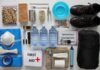
The strain in this outbreak is the Bundibugyo virus, and WHO says there are no approved therapeutics or vaccines for it [2][4]. That makes containment more dependent on old-fashioned public health basics: isolate confirmed patients, monitor contacts daily, restrict travel for exposed people, and protect health workers with proper equipment [2][5]. Those measures are sensible, especially in a region where weak infrastructure can let contagion slip across borders before officials fully understand the chain of transmission.
World Health Organization (WHO) has determined the Ebola virus disease (EBV) epidemic caused by the Bundibugyo Ebola virus (BDBV) in the Democratic Republic of Congo (DRC) 🇨🇩 and Uganda 🇺🇬 as a Public Health Emergency of International Concern (PHEIC) as defined in the provisions… https://t.co/xFCOfkaB1k
— Vera Ghali, MD (@veraghali) May 17, 2026
WHO said confirmed cases should be isolated and treated, while contacts should face daily monitoring and travel limits until the exposure window passes [2]. That kind of response is not glamorous, but it is the right one. It also highlights a bigger problem conservatives have long recognized: bad governance and fragile institutions make every crisis worse. When health systems, border controls, and reporting networks are weak, the public pays the price while officials scramble after the fact.
What readers should watch next
Two things will tell the real story in the coming days: whether confirmed cases stay clustered or spread farther, and whether Ugandan and Congolese authorities can keep tracing contacts fast enough to stay ahead of transmission [2][3]. WHO has asked affected countries to activate national disaster and emergency measures, which is a reminder that containment depends on disciplined execution, not slogans [2]. For now, the threat appears regional, but weak surveillance can make a regional problem look smaller than it is.
Sources:
[1] Web – WHO Declares Ebola Outbreak in Congo and Uganda a Global …
[2] Web – Epidemic of Ebola Disease caused by Bundibugyo virus in the …
[3] Web – WHO declares Ebola outbreak a global public health emergency
[4] YouTube – WHO declares global health emergency over the Ebola outbreak in …
[5] Web – WHO Declares ‘International Emergency’ Over Ebola in DR Congo …