
Lawmakers BATTLE Over Student Free Speech Rights
Utah lawmakers are weighing whether public colleges can keep pressuring students into political speech—or whether students can finally say “no” without risking their grades.
Story Snapshot
- Utah’s H.B. 204 would let students at the state’s eight public colleges request alternatives to assignments that conflict with sincerely held religious or conscience beliefs.
- The bill targets “compelled advocacy,” including requirements that students publicly promote positions they disagree with, such as writing letters to lawmakers.
- The Utah House Education Committee voted 8–1 on Feb. 10, 2026, to advance the bill to the full House; it would take effect July 1, 2026, if enacted.
- Supporters frame the proposal as a free-speech and conscience protection; critics warn it could weaken academic standards and trigger disputes or litigation.
What H.B. 204 Would Change for Public Universities
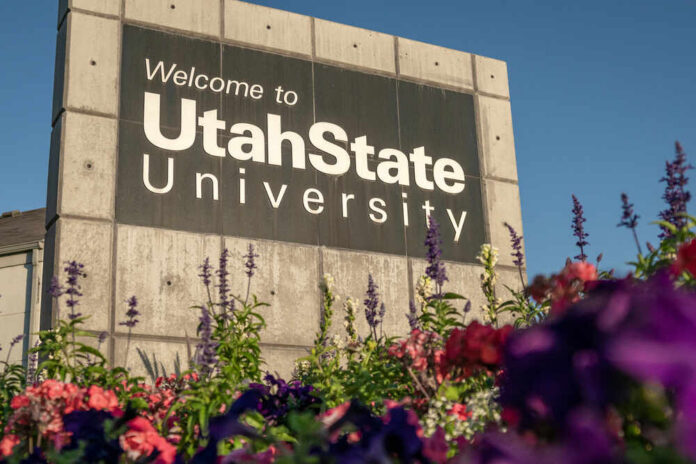
Utah Rep. Mike Petersen (R-Logan) introduced House Bill 204, titled “Higher Education Student Belief Accommodation,” to create a formal process for students to request accommodations when coursework conflicts with “sincerely held religious and conscience beliefs.” The bill would apply to Utah’s eight public colleges and universities. Under the proposal, instructors would be expected to provide a reasonable alternative unless doing so creates an “undue hardship.”
That “undue hardship” language is central because it signals the bill is not designed to let students simply skip class requirements. Instead, it sets up a balancing test between a student’s conscience and the institution’s academic goals. The bill also distinguishes between learning about viewpoints and being forced to advocate them publicly—an important line in the broader debate over whether campus assignments are educating students or conscripting them into activism.
The Trigger: A Disputed Assignment and the “Compelled Speech” Question
Petersen has described the bill as a response to a real-world assignment his daughter faced in a graduate social work program outside Utah, where she was required to write a letter advocating specific public policies she opposed. In committee and media coverage, Petersen argued the issue is not partisan and could apply in multiple directions, because a college should not require students to personally promote positions that violate conscience, whether on social issues or other hot-button topics.
News reports describing the bill note examples raised in debate over what students might object to: arguing for abortion, participating in nude drawing, viewing films with profane content, animal dissection, or writing pro-LGBT advocacy. That range is precisely why the measure is controversial. Supporters read it as a safeguard against ideological coercion in coursework. Opponents read it as a doorway to broad opt-outs that could collide with core curriculum requirements.
Committee Vote, Timeline, and What Happens Next
The Utah House Education Committee voted 8–1 around Feb. 10–11, 2026, to send H.B. 204 to the House floor. As covered by multiple outlets, the bill’s effective date would be July 1, 2026, if it passes the Legislature and is signed. As of the latest reporting in the provided research, no post-committee vote outcome is confirmed, meaning the measure’s final status remains pending.
Implementation, if enacted, would likely run through campus policies under the Utah Board of Higher Education, because faculty and administrators would need a consistent process for handling accommodation requests and documenting what counts as an undue hardship. The research also indicates faculty already provide narrower religious accommodations—for example, scheduling adjustments tied to worship or observance—so supporters argue H.B. 204 extends an existing principle into areas where modern campus politics have become entangled with grading.
Faculty and Advocacy Pushback: Academic Rigor vs. Student Conscience
Faculty opposition highlighted in the reporting focuses on academic standards and classroom purpose. One professor testified that students grow when they confront challenging ideas and that broad opt-outs could undermine critical thinking. Another concern raised is legal ambiguity: if “conscience beliefs” are defined too broadly, universities could see more disputes about what must be accommodated, leaving professors and administrators to negotiate sensitive political and moral questions under threat of complaints or litigation.
The broader Utah context matters because the state has seen repeated clashes over gender and education policy in recent years. The provided research references separate measures affecting transgender-related policy, and an advocacy organization framed the 2026 session as part of a larger fight over LGBTQ issues. Even if H.B. 204 is written as viewpoint-neutral, its most publicized examples involve pro-LGBT advocacy assignments, so it is likely to be interpreted through the existing culture-war lens on campus.
Why Conservatives Are Watching This Fight Closely
For many conservatives, the core question is straightforward: public institutions funded by taxpayers should not condition grades on whether a student will echo a political script. The bill’s focus on preventing compelled public advocacy aligns with long-standing constitutional concerns about compelled speech. At the same time, the bill’s opponents raise a legitimate practical point grounded in the reporting: universities will still need to teach controversial material, and policymakers must avoid writing rules so vague they create confusion and conflict.
With H.B. 204 headed to the House floor in the latest available updates, Utah is now the testing ground for a question other states are watching: can higher education preserve rigorous coursework while drawing a bright line against compelled ideology? The answer will depend on how lawmakers define undue hardship, how schools implement the process, and whether the bill’s promise—protecting conscience without gutting curricula—holds up under real campus pressure.
Sources:
Utah bill would allow religious accommodations for class assignments
LGBTQ rights and the 2026 Utah legislative session
Utah lawmakers consider bill allowing for student accommodation of beliefs
Bill advances to require higher ed accommodations for students with deeply held beliefs