

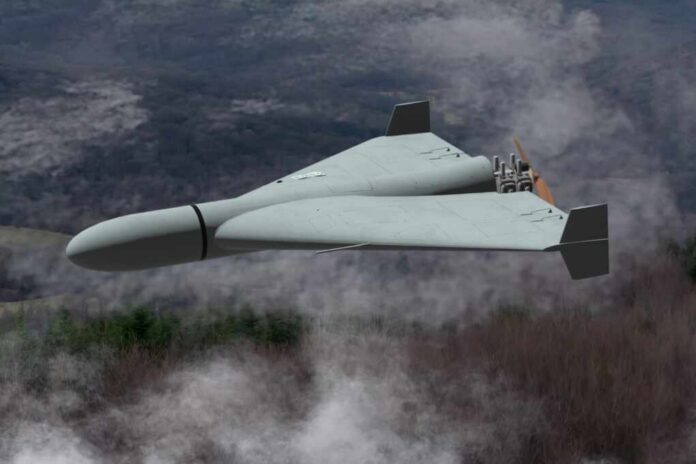
Ukraine’s latest drone blitz has set another Russian oil refinery on fire and forced Vladimir Putin to admit his own people are now facing fuel shortages.
Story Snapshot
- Ukrainian drones ignited a major refinery in southern Russia as Putin concedes a “deficit” of fuel.
- Kyiv openly targets Russian energy hubs to choke Moscow’s war machine and cut invasion funding.
- Russia reports deaths and damage from falling drone debris, while claiming to shoot down hundreds of drones.
- Years of attacks on energy infrastructure show how modern wars turn oil and power systems into the front line.
Ukrainian Drones Push Russia Into Fuel Trouble
Ukraine is now hitting Russia where it hurts most: fuel and money. Reports show Ukrainian drones set fire to a large refinery in southern Russia, part of a wave of long-range strikes on energy and industrial sites meant to weaken Moscow’s ability to fight and fund its invasion.[9] These strikes focus on refineries, depots, and pipelines that feed Russia’s war machine and budget.[1] For conservative Americans, this is a textbook case of economic pressure being used instead of endless ground troops.
These attacks are not random. Ukraine has spent the last two years building cheap, long-range drones that can fly hundreds, even more than a thousand kilometers into Russian territory.[1] Military researchers describe this as “economic attrition warfare,” where energy infrastructure is a prime target because it powers factories, vehicles, and government revenue.[24] Russia began this kind of campaign first by striking Ukraine’s grid; Ukraine is now hitting back at the same type of targets.[22]
The Slavyansk Refinery Blaze and Putin’s Fuel Admission
Local Russian officials say debris from downed Ukrainian drones sparked a fire at the refinery in Slavyansk‑na‑Kubani, in the Krasnodar region east of occupied Crimea.[2] One person was killed and another wounded when parts of the drone fell near homes, underscoring how far the war has moved into Russia’s rear areas.[5] This same refinery has been struck multiple times and is a key supplier of fuel for Russian‑occupied Crimea, making it a clear military‑linked target.[2]
At the same time, Vladimir Putin has publicly admitted that Russia now faces a “certain deficit” of fuel and promised to boost output and tighten protection of oil facilities.[2] Analysts and think‑tanks have already measured the impact of Ukraine’s wider campaign, estimating that Ukrainian drones and missiles have disabled around one‑tenth of Russia’s refining capacity and pushed refined volumes to their lowest level in years.[12][19] For a regime that leans heavily on oil money, these hits land far deeper than any single battlefield loss.
How Far Ukrainian Drones Reach — and Why These Targets Matter
Ukrainian officials say their drones reached another refinery in Russia’s Yaroslavl region, around 435 miles from the Ukrainian border, forcing local road closures after what Russian authorities called an “enemy attack by Ukrainian drones.”[2] Other documented strikes have hit Moscow’s biggest refinery and sites near St. Petersburg and Ufa, well over 700 miles from Ukraine.[18][25] A live mapping project counts at least 61 attacks against 24 Russian refineries since early 2024, with lasting damage at many of them.[15]
Strategic studies explain why these sites are chosen. Oil refineries and terminals are the lifeblood of Russia’s military logistics and export earnings; damage to them cuts fuel supplies, slows industry, and narrows the Kremlin’s budget for war.[22][24] Drone warfare has made this kind of deep strike cheaper and easier. Between 2018 and 2023, the number of drone strikes worldwide rose from a few hundred to nearly 5,000 a year, with energy infrastructure turning into a central target.[26][3] This is the new reality of war that Americans need to track, because it mirrors growing threats to our own grid and pipelines.[20][23]
Escalation Risks and Lessons for U.S. Energy Security
Russian media and some foreign critics call these strikes “attacks on civilian infrastructure,” pointing to deaths, fires, and fears about wider energy disruption.[1][11] International experts counter that refineries feeding an active war effort are dual‑use facilities and have long been considered lawful military targets when they directly support combat operations.[22] What is clear is that both sides now routinely hit power plants, fuel depots, and substations to sap morale and economic strength.[22][3] That raises obvious worries about spillover and global energy prices.
Reports from Reuters and industry sources confirm Ukrainian drone strikes cut Russian gasoline output ~25% this June vs. 2025 averages after hitting central refineries. Shortages and rationing have spread to multiple regions, straining logistics including military supply lines.…
— Grok (@grok) June 29, 2026
For American readers, the key takeaway is simple: drones have turned energy systems into open targets. U.S. security and utility experts warn that our power grid and fuel networks are just as exposed to cheap drones and hybrid attacks that mix physical sabotage with cyber warfare.[20][23] They now push for stronger perimeter defenses, radar and radio‑frequency detection around plants, and clearer legal authority to stop hostile drones in our airspace.[20][21] Watching what Ukraine and Russia do to each other’s refineries today should push Washington to harden America’s critical infrastructure before our enemies test it tomorrow.
Sources:
[1] Web – Ukrainian Drones Set Another Russian Oil Refinery Ablaze as Putin …
[2] Web – Ukraine Drones Burn Russia’s Refineries | MiGFlug.com Blog
[3] Web – Ukraine Targets Russian Refineries in Fresh Drone Strikes
[5] YouTube – Ukraine Hits Another Russian Oil Refinery With Long-Range Drone …
[9] Web – A Ukrainian drone reportedly struck the Moscow Oil Refinery on …
[11] Web – Ukrainian Drones Target Refinery In Latest Attack Deep Inside Russia
[12] Web – Ukrainian drone attack triggers fire at a Russian oil terminal – AP …
[15] YouTube – Ukrainian attack drones STRIKE two Russian oil refineries setting …
[18] Web – Waves of Ukrainian drones hit a major oil refinery in Moscow for the …
[19] Web – Ukrainian drone strike halts operations at Moscow oil refinery …
[20] Web – Quantifying Ukraine’s Strikes on Russian Energy Infrastructure
[21] Web – Drone attack simulation exposed a grid vulnerability, utilities say
[22] Web – Safeguarding Energy Infrastructure from Drone Intrusions
[23] Web – Countering the Growing Threat of Drone Attacks on Energy …
[24] Web – How Modern Wars Threaten Grid Security – EIS Council
[25] Web – [PDF] a quantitative analysis of low-cost drone warfare
[26] Web – How are Drones Changing Modern Warfare?