
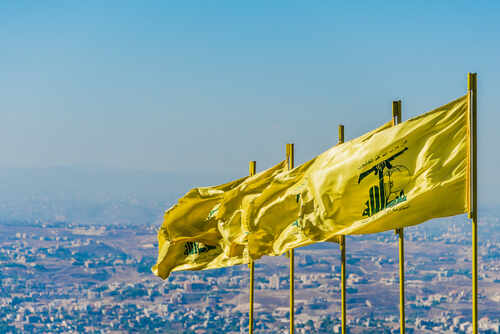
A Hezbollah rocket attack wounded the son of Israeli Finance Minister Bezalel Smotrich along with seven other IDF soldiers near the Lebanon border, proving that Iran-backed terror groups remain lethal threats to Israel’s security despite months of sustained military pressure.
Story Highlights
- Eight IDF soldiers from the Givati Brigade were wounded in a coordinated Hezbollah rocket attack on March 6, 2026, including Finance Minister Smotrich’s son Bnaya
- Five soldiers sustained serious injuries while three, including the minister’s son, suffered light wounds in the strike near Israel’s northern border
- Hezbollah launched multiple coordinated attacks targeting Israeli positions and issued warnings for civilians to evacuate settlements within 5 km of the border
- Israel responded with artillery and air strikes against Hezbollah positions in southern Lebanon and Beirut following the attack
Attack Strikes Multiple Israeli Positions Along Border
Hezbollah executed coordinated rocket and drone attacks across Israel’s northern frontier on March 6, 2026, striking military positions in Metula, Manara, Marj, Givat HaEgel, and the Yiftah barracks. The Iranian-backed terrorist organization confirmed launching the strikes and claimed direct hits on Israeli forces. Eight soldiers from the elite Givati Brigade were wounded when a rocket struck their position near the Lebanon border, with casualties ranging from serious to light injuries requiring immediate medical evacuation to hospitals including Nahariya Hospital via helicopter.
Finance Minister’s Son Among Wounded Troops
Bnaya Smotrich, son of Israeli Finance Minister Bezalel Smotrich, sustained light injuries in the attack and remains in stable condition. The wounding of a senior Israeli minister’s family member adds significant political dimension to what would otherwise be categorized as routine border conflict. This attack demonstrates Hezbollah’s capability to strike high-value targets and creates domestic political pressure within Israel. The incident occurred just one day after Finance Minister Smotrich publicly vowed that Israel would make Beirut “look like Khan Yunis,” indicating escalating rhetoric preceded the coordinated Hezbollah response.
Hezbollah Issues Evacuation Warnings to Israeli Settlements
Following the attacks, Hezbollah issued formal warnings demanding evacuation of all Israeli settlements within five kilometers of the border, framing the strikes as justified responses to Israeli aggression against Lebanese sovereignty. The terrorist organization specifically cited Israeli attacks on civilians, destruction of civilian infrastructure, and forced displacement as justification for continued military operations. Israeli forces maintain heightened alert status across the northern border region, with air raid sirens sounding in the Krayot area north of Haifa amid concerns about additional drone infiltrations and rocket attacks targeting civilian populations.
Israeli Military Responds with Retaliatory Strikes
Israel launched immediate retaliatory strikes using artillery and airpower against suspected Hezbollah positions throughout southern Lebanon and Beirut. Israeli military officials characterized the Hezbollah attack as evidence that the Iranian-backed organization remains a potent threat despite months of sustained Israeli military pressure intended to degrade their operational capabilities. The incident raises serious concerns about broader Middle East stability, with cross-border military exchanges threatening to escalate into wider regional conflict. This attack cycle demonstrates that Hezbollah retains significant strike capability and willingness to target Israeli forces, challenging assessments that the organization has been effectively neutralized.
Israeli Finance Minister's Son Wounded In Hezbollah Rocket Attack https://t.co/qDL0XDwYXo
— zerohedge (@zerohedge) March 8, 2026
The March 6 attack represents part of a broader pattern of escalating Israel-Hezbollah tensions along the northern border. Hezbollah’s coordinated multi-location strikes demonstrate sophisticated operational planning and execution despite Israeli countermeasures. The wounding of Finance Minister Smotrich’s son personalizes the conflict for Israeli leadership and may influence future policy decisions regarding military strategy toward Lebanon. Israeli border communities face ongoing security threats requiring continued military presence and defensive measures, while southern Lebanese populations endure retaliatory strikes creating humanitarian concerns on both sides of the frontier.
Sources:
Smotrich son wounded as Hezbollah rockets, drones pound Israeli positions – Press TV
Israeli minister’s son, other troops injured at Lebanon border – Ground News
Hezbollah cross-border rocket attack injures son of Israeli finance minister – The Cradle
Smotrich’s son injured on Israel-Lebanon border – Breaking The News