
A dengue surge in Florida pushed federal health officials into emergency mode, as local infections spiked across Tampa Bay and beyond.
Story Highlights
- Florida logged 368 locally acquired dengue cases by mid-October, with most in Hillsborough County.
- Cases jumped fast in September, signaling sustained local transmission, not only travel-related infections.
- MedPage Today reported the Centers for Disease Control and Prevention (CDC) launched a Level 3 emergency response.
- Florida’s tracking shows separate totals for local and travel-linked cases to guide targeted mosquito control.
Florida Records Sharp Rise In Local Dengue Transmission
Florida’s official arbovirus surveillance reported 368 locally acquired dengue cases by the week-40 update in October 2026. The state listed 310 cases in Hillsborough County and 37 in Pinellas County, showing the epicenter in the Tampa Bay area. Health officials also reported 288 travel-associated cases this year, a separate category that helps trace where infections started. These numbers confirm local spread through mosquitoes in Florida neighborhoods, not just infections carried back by travelers.
State data show the outbreak accelerated in September. Florida’s week-36 report on September 17 listed 152 locally acquired cases. By week-40, the total reached 368, with 188 onsets in September alone. Officials also recorded 20 mosquito pools from eight counties tied to 2026 dengue surveillance, a sign that local Aedes mosquitoes were part of the chain of transmission. Clear tracking of place, timing, and mosquito testing helps target spraying and community alerts where the risk is highest.
CDC Emergency Response Reported As Outbreak Expanded
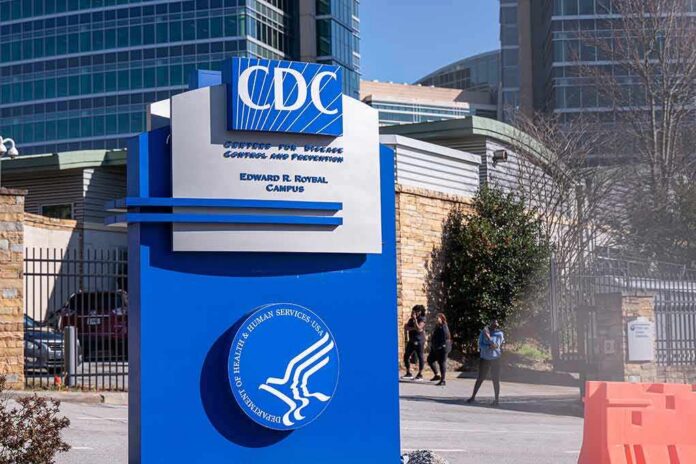
MedPage Today reported on October 22 that the Centers for Disease Control and Prevention initiated a Level 3 emergency response for dengue activity in Florida and a United States territory. The report cited 745 total Florida cases, including 425 locally acquired infections, and described the scale as unusually large. KFF Health News later summarized that same emergency-response claim and the cited case totals, underscoring national concern as Florida’s local spread grew. The reports indicate stepped-up federal coordination with state partners.
Florida’s own surveillance totals differ from those media figures, listing 368 local cases and 288 travel-associated cases through week-40, for a combined 656 cases. Differences can result from reporting cutoffs, definitions, or data sources across agencies. Florida’s report also notes that 254 cases had been serotyped by a polymerase chain reaction test, a key laboratory step for classifying dengue strains. Regardless of the counting method, the central fact stands: Florida is managing real local transmission that demands rapid mosquito control and community action.
County Alerts And On-The-Ground Measures
County health offices issued steady advisories as cases mounted. The Florida Department of Health in Orange County posted a September mosquito-borne illness alert and followed with updates into October as risk indicators evolved. Local alerts encourage residents to drain standing water, wear repellent, and screen doors and windows. These simple steps cut bites and break transmission. Targeted spraying, larvicide use in problem areas, and door-to-door education help contain clusters before they spread to new blocks.
Public guidance also stresses when to see a doctor. People with fever, severe headache, pain behind the eyes, or joint and muscle pain should seek care, especially after a mosquito bite. Doctors can order tests and monitor warning signs. While most dengue cases are mild, a second infection can raise the risk of severe disease. Quick diagnosis and home mosquito control protect both the patient and the neighborhood by limiting the time a mosquito can pick up and spread the virus.
Why Clear Numbers And Fast Action Matter
Florida’s report splits local and travel-linked cases for a reason. Local cases tell officials where mosquitoes are driving spread, so crews can act fast and spend money where it counts. Travel cases warn clinics to test returning visitors and remind families to use repellents after trips. Both streams inform smart planning. Early detection, simple home steps, and focused spraying together help stop the next street, school, or church from becoming a hot spot.
The CDC has activated a Level 3 emergency response to Florida's dengue outbreak, sending epidemiologists, mosquito experts and lab teams to the Tampa Bay area.
Florida has logged 425 locally acquired cases this year, mostly in Hillsborough County, with one death, and… pic.twitter.com/p7Xv9RazXD
— Maverick (@agentmavericksi) October 30, 2026
Florida has seen local dengue before, but this year’s spread across Tampa Bay stands out. Local leaders, with support reported from the Centers for Disease Control and Prevention, are working to hold the line through data, lab testing, and ground operations. Residents can do their part by dumping standing water, using repellents with DEET or picaridin, and checking screens. Personal responsibility, clear local reporting, and fast, targeted action reflect the common-sense approach that keeps families safe and communities open.
Sources:
zerohedge.com, medpagetoday.com, orange.floridahealth.gov, beckershospitalreview.com, floridahealth.gov, kffhealthnews.org