
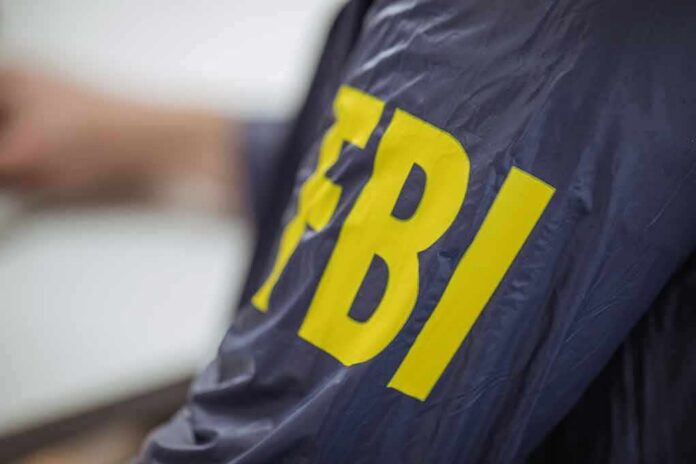
A North Carolina man was arrested after police say he claimed to be an FBI special agent during a heated stolen-valor dispute.
Story Highlights
- Greenville police arrested a 51-year-old man after a stolen-valor argument
- Court papers say he told officers he was a sworn law-enforcement officer
- Documents describe a lanyard that read “FBI Special Agent” with his name
- He faces a law-enforcement-impersonation charge, a $5,000 bond, and a court date
Arrest Followed Stolen-Valor Argument in Greenville
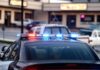
Greenville Police Department officers arrested 51-year-old Elijah Spencer on October 24 after a dispute linked to stolen valor. A local report says a magistrate’s order stated Spencer told an officer he was a sworn law-enforcement officer. The same report says officers noted an identification lanyard on Spencer that read “FBI Special Agent.” Police charged him with one count of impersonating law enforcement, set a $5,000 secured bond, and scheduled a December 14 court date.
Military.com cited the local station’s reporting and confirmed the arrest date and charge. The outlet reported the exchange began as an argument involving alleged stolen valor, which often sparks strong reactions at public places and events. Details about what started the dispute were not clear from the accounts, but the charge, bond, and court date indicate the case has moved into the court system for review under state law.
What North Carolina Law Says About Impersonation
North Carolina law makes it a crime to falsely represent to another person that you are a sworn law-enforcement officer. The statute also treats acting on that false role—such as making a search or arrest—as a separate offense with different penalties. The reporting does not specify which part was charged here. The Greenville reports focus on Spencer’s alleged statement and the displayed lanyard, both of which can be key facts in such cases under state law.
State court rulings explain how prosecutors must show a false claim of officer status, and in some cases, show the person acted on that claim. These lines matter, since saying you are an officer is not always the same as using officer powers. In this case, the reports describe a claimed status and an “FBI Special Agent” lanyard. The news accounts do not report that he conducted a search, seized items, or tried to arrest anyone, which can affect which subsection applies.
Why This Matters for Public Safety and Trust
Police-impersonation cases strike a nerve because criminals have used fake badges or titles to bully, search, or scam citizens. Communities expect clear badges, lawful authority, and real accountability. When someone flashes “FBI Special Agent,” it can trigger fear and compliance. That is why state law targets false claims that would fool a reasonable person. Honest officers and service members also deserve protection from impostors who cheapen real duty and sacrifice.
For conservative readers, this story reinforces a simple standard: tell the truth about who you are, and respect those who serve. Stolen valor angers veterans and families because it steals honor. Impersonating law enforcement erodes public trust and can risk lives. In President Trump’s second term, federal and local partners continue to push for law and order. Clear charges and a firm court process here show why that standard matters for every town and every family.
What Comes Next in the Case
The Greenville Police Department made the arrest, and the court set a December 14 hearing date. At that stage, a judge will see the charge and the facts that support it, including any statements and the lanyard. The reports cite the magistrate’s order but do not publish it. The outcome will turn on whether the state proves a false claim of officer status, and, if relevant, any acts tied to that claim under the statute.
Sources:
military.com, witn.com, newsbreak.com