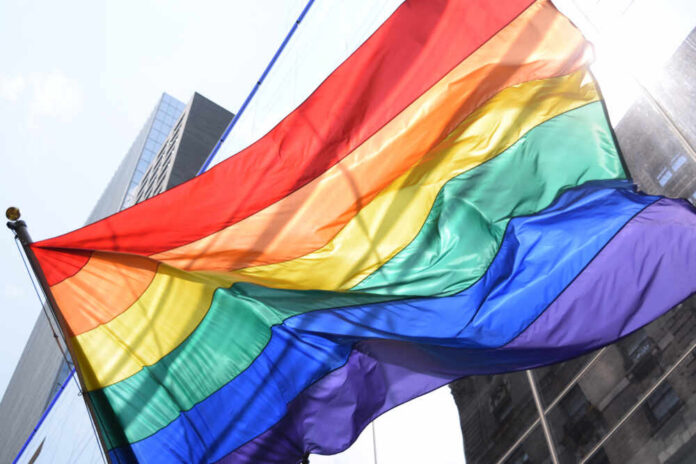
Seattle is being asked to treat “transgender refugees” from red states as a full-blown civil emergency, without anything close to the kind of hard numbers that would normally justify it.
Story Snapshot
- Seattle’s LGBTQ Commission wants a civil emergency declared over refugees fleeing red states, tying it to housing, health, and service strain.[1][2][3]
- Advocates say demand is already exceeding capacity at some providers, but no one has produced audited data or even a solid migrant headcount.[1][2][4]
- The mayor endorsed a coordinated response and launched a study team, not an emergency order, citing broader budget constraints.[2][3][4]
- Critics argue the “emergency” label is about securing a permanent budget line on the back of anecdotes, not evidence.[4][6]
How Seattle Turned Trans Migration Into An “Emergency” Question
Seattle’s LGBTQ Commission did not toss out a tweet or a press release; it sent a formal letter to the mayor, city council, and city attorney asking for a civil emergency declaration tied to an influx of transgender and queer people fleeing red states.[1][2][3] The letter describes “internal displacement” of two-spirit, lesbian, gay, bisexual, transgender, queer, intersex, asexual, and other people and families and claims that in some cases demand for help already exceeds available capacity.[1] That framing intentionally echoes humanitarian crisis language usually reserved for war zones.[1][4]
Local coverage amplified the message. Seattle Gay News reported that the commission sees “pressure on community-based service providers, housing systems, and public health infrastructure” and wants emergency powers to “prevent downstream cost escalation across shelter, healthcare, and crisis response systems.”[1] Fox 13 repeated warnings that housing, food assistance, and mental health services could be depleted by the end of summer as refugees arrive by the thousands.[2] LGBTQ Nation spotlighted the city as a safe harbor for those fleeing hostile laws.[5]
What Advocates Say Is Happening On The Ground
Advocates paint a picture that hits every emotional lever: families harassed in Texas, young people terrified in Florida, and people choosing Seattle because they no longer trust their own state government.[2][3] The commission says local groups now juggle emergency financial aid, relocation logistics, legal help, safety planning, and access to gender-affirming care for newcomers.[1][3] Some organizations reportedly warn their resources will run out by late summer without an emergency infusion of cash and coordination.[1][2] If that portrayal is accurate, the migration is not a theory; it is already in the shelters and clinics.
Yet even sympathetic outlets concede the numbers are fuzzy. The commission itself reportedly admitted that “specific numbers on trans migration to Seattle haven’t been studied.”[4] Instead, advocates rely on reports that people are arriving “by the thousands” and that “demand already exceeds available capacity,” phrases that convey urgency but not scale.[1][2] When public policy is at stake, “we’re really busy” is not a substitute for transparent intake numbers, wait lists, and denial rates.
Why The Evidence Fight Matters More Than The Rhetoric
Critics seized on that gap. Conservative commentator Jason Rantz argued the entire emergency case rests on an anecdote about 500 people in communication with a volunteer about possibly moving to Seattle, not 500 arrivals with proof of residence.[4] He notes that the commission’s letter concedes no local study of trans migration exists, yet it still demands the mayor declare an emergency and build a new bureaucracy around it.[4] From that vantage point, this is not humanitarian triage; it is an unfunded wish list searching for a crisis label.
Those critics also point to Seattle’s track record. The city already declared a homelessness emergency in 2015, and the region still wrestles with encampments, addiction, and public disorder years later.[1][4][7] Skeptics warn that emergency declarations often outlive the “emergency” and morph into permanent programs insulated from scrutiny. That concern aligns with common sense and conservative instincts: tying a new, open-ended spending stream to unaudited claims invites mission creep and abuse, especially in a city already facing a massive budget deficit.[4][7]
How City Hall Is Trying To Split The Difference
Mayor Katie Wilson’s response shows she heard the advocacy but also saw the political and fiscal landmines. She publicly agreed that “a coordinated, citywide approach is needed to evaluate immediate needs, fortify critical services, and chart a longer-term path forward.”[3] Rather than sign an emergency order, she announced an interdepartmental team to fast-track a needs assessment by August and coordinate with the Seattle Office for Civil Rights.[2][3][4] That choice keeps options open while buying time to collect real data.
Wilson also highlighted competing needs and budget constraints, signaling that even if need is real, money is not unlimited.[3][7] That matters because an emergency declaration does not print cash; it rearranges priorities. Every dollar moved to a new “trans refugee” program is a dollar not spent on long-standing crises like crime, addiction, and unsheltered homelessness that already stretch Seattle’s credibility with taxpayers.[4][7] The mayor’s study-first approach at least nods to the principle that evidence should come before expanded bureaucracy.
What A Serious, Data-Driven Response Would Look Like
A responsible city would now do what neither side has done. First, obtain hard utilization data: shelter occupancy, wait times for crisis housing, food-bank depletion, behavioral-health intake, and clinic queues before and after the alleged influx.[1][2][3] Second, estimate how many newcomers are actually here using school enrollment changes, healthcare registrations, and documented state-of-origin on service intake.[1][3] Third, ask the city attorney exactly which legal tools and funding streams a civil emergency would unlock that ordinary appropriations cannot.[1][3][7]
Seattle’s debate captures a national pattern: activists increasingly frame policy disputes as emergencies and seek sweeping powers on anecdote, while skeptics sometimes default to reflexive dismissal instead of producing counter-data.[1][2][3][4] The healthy middle ground is not indifference to people fleeing hostile laws, nor is it a blank check triggered by rhetoric. It is a demand that when government invokes the word “emergency,” it brings the receipts — numbers, audits, and clear tradeoffs that taxpayers can see and judge for themselves.
Sources:
[1] Web – Seattle State of Emergency to Protect Refugees from Red States…
[2] Web – City of Seattle poised to declare a civil emergency for LGBTQIA+ …
[3] Web – Seattle LGBTQ Commission requests state of emergency
[4] Web – Seattle activists seek aid for displaced trans people – Advocate.com
[5] YouTube – Seattle Activists Want an Emergency Declared. The Data …
[6] Web – LGBTQ Commission asks Seattle to declare state of emergency to …
[7] Web – Seattle debuts the left’s latest greedy grift — ‘transgender refugees’