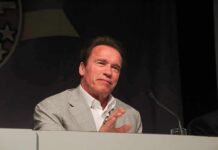


Bill Maher turned a live TV joke into a blunt warning about China’s reach into America’s tech crown jewel.
Story Highlights
- Bill Maher mocked reports that Nvidia’s CEO was linked to a suspected Chinese spy, underscoring a real security concern.
- Nvidia confirmed an independent probe into whether Jensen Huang was targeted by foreign intelligence, and Huang admitted an affair.
- U.S. outlets reported intelligence believed Alice Huang had ties to China’s Ministry of State Security, though not proven publicly.
- The Justice Department has not reached a conclusion on the spy allegation, and inquiries continue.
Maher’s Punchline Lands on a Live National-Security Nerve
Bill Maher joked that Nvidia chief Jensen Huang missed a major “red flag” because the woman at the center “had an actual big red flag,” turning a one-liner into a sharp point about China and influence. Maher’s line echoed reporting that Huang’s relationship drew security scrutiny due to suspected ties to China’s intelligence services. The humor worked because it tapped a real fear: foreign regimes target powerful Americans to gain leverage over our technology and our future.
Nvidia said it launched an independent investigation after allegations that Huang had been targeted by a foreign intelligence effort, and Huang acknowledged he was unfaithful to his wife. These are not fringe rumors; they triggered corporate and government attention. That is why the joke stung. When America leads in advanced chips, even personal failures can become national risks. Our enemies understand that people, not firewalls, are often the weakest link.
What We Know: Corporate Probe and Federal Scrutiny
Associated Press and other outlets reported that Nvidia’s board opened a formal review to assess whether Huang was targeted, and whether any sensitive information or export rules were at risk. Reporting also said the Department of Justice and its National Security Division examined related allegations, including export-control issues tied to a third party. These steps show the matter rose past gossip into serious oversight. At this stage, officials have not presented public proof of espionage, but they deemed the risk significant enough to investigate.
BBC and CBS News reported that U.S. intelligence believed Alice Huang worked with or was recruited by China’s Ministry of State Security, the regime’s top spy agency. That assessment has not been released to the public, and agencies often protect sources and methods. But the possibility alone raises alarms for anyone who cares about American jobs, supply chains, and national power. Chips drive defense, energy, and industry. If China can influence a key leader even a little, it can tilt markets and policy.
What We Do Not Know: Proof, Intent, and Any Damage
Reports emphasize what is still unproven in public view. The U.S. attorney general stated that the Department of Justice had not reached a conclusion on whether Alice Huang was a spy. Reporting also notes there is no public evidence that Jensen Huang knowingly helped Chinese interests, or that company secrets or national security were compromised. That gap matters. Allegations must be tested, and conclusions must rest on facts. Investigations are ongoing, and details may remain classified.
China denied the claims, calling them smears, which is standard for an authoritarian state caught in a storm. Denials aside, the risk calculus for America does not change. When evidence is disputed and stakes are high, leaders must harden defenses. That means strong export controls, strict corporate access rules, and penalties for those who play fast and loose with national security. The cost of error in this space is not a bad headline; it is a strategic setback.
Why This Matters to Conservative Readers: Guard the Gates of American Power
President Trump’s administration is pressing for secure supply chains and tough rules on hostile regimes. This case shows why that posture is needed. Powerful tech executives shape our economy and our defense edge. If foreign intelligence can get close to them, even through private failings, it can bend policy or expose secrets. Congress and corporate boards must keep tightening guardrails and demanding transparency when personal conduct creates risk.
Maher’s joke cut through the noise because it flagged a simple truth: red flags mean stop and check. The United States should not let a rival regime get near the engine of our innovation. Guard the people who hold our keys. Enforce export laws with teeth. Back serious counterintelligence without apology. America’s lead in chips and artificial intelligence is a pillar of liberty and prosperity. We lose it if we ignore the obvious warnings.
Sources:
mediaite.com, bbc.com, apnews.com, business-standard.com, abcnews.com, afp.com, newsweek.com, pbs.org