
A fast-moving Ebola outbreak has topped 10,000 confirmed cases in Africa, with most infections in the Democratic Republic of the Congo, and nearly half of patients reported dead.
Story Highlights
- Congo’s Ministry of Health data reported 10,060 confirmed Ebola cases and thousands of deaths.
- Reporters described the outbreak as Congo’s deadliest and among the fastest-growing on record.
- World Health Organization records list far lower totals for the 2018–2020 outbreak, reflecting different counts and timelines.
- The rare Bundibugyo strain and the lack of an approved vaccine for it were cited in coverage.
Government Data Shows 10,000-Plus Cases, Heavy Loss of Life
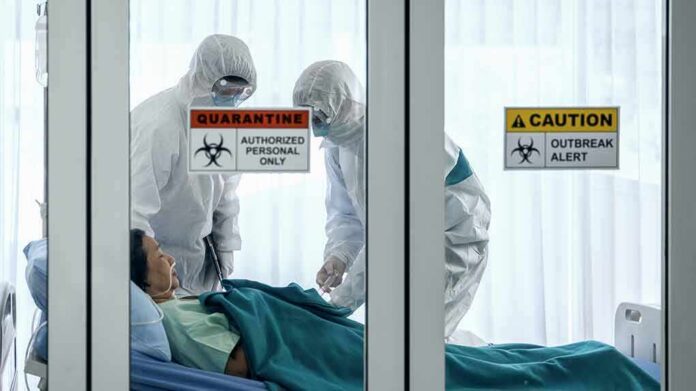
NBC News, citing Congo’s Ministry of Health, reported 10,060 confirmed Ebola cases and thousands of deaths, with nearly half of patients not surviving. Reporters said the surge marked the deadliest Ebola crisis in Congo’s history, with a pace that alarmed health officials and neighboring countries. Authorities focused on contact tracing, safe burials, and rapid isolation to slow spread across provinces and border areas, while hospitals and aid groups strained to keep up with new patients and exposures.
Journalists described how cases climbed from the high nine-thousands to over 10,000 as the disease reached new areas and crossed internal borders. Local responders faced security problems, damaged roads, and community fear, which slowed care and case reporting. Neighboring countries tightened screening and quarantine rules at key crossings. Health workers urged early treatment and strict hygiene to lower risk, as families were told to report symptoms fast and avoid unsafe funeral practices linked to spread.
Understanding the Numbers: Case Types and Different Tallies
The World Health Organization reported 3,481 total cases, including 3,323 confirmed and 158 probable, with 2,299 deaths for the 2018–2020 North Kivu–Ituri outbreak, calling it the world’s second-largest Ebola event after West Africa’s 2014–2016 crisis. That total differs from the press count of 10,060 confirmed cases cited to Congo’s government data. Health systems track suspected, probable, and confirmed cases differently, which can change totals by method and by date.
During Ebola responses, confirmed cases require lab tests, while probable cases can be diagnosed by symptoms and links to known patients when testing is not available. Suspected cases are investigated and may later be confirmed or ruled out. These categories affect how headlines tally outbreaks and why two sources may post different numbers at the same time. The press reports that cited Congo’s data did not present the underlying bulletin, but they reported the figures and context directly.
Strain, Tools, and Why This Outbreak Was Hard to Stop
Coverage linked the outbreak to the Bundibugyo strain, which is rare, and reported that no approved vaccine or treatment existed for that strain at the time. Health teams relied on isolation, protective gear, and supportive care to keep patients alive and protect staff. Reporters said the outbreak expanded fast across multiple provinces, which made every delay costly and raised the chance of cross-border spread to nearby nations with weaker systems and crowded transit hubs.
🇨🇩 Ebola outbreak in Africa tops 10,000 confirmed cases, with nearly 5,000 deaths, mostly in the Democratic Republic of Congo, health authorities say. pic.twitter.com/A4JkCxbye7
— Political Pen (@politicalpen_) October 27, 2026
For Americans, this matters. Major outbreaks overseas can spread fast through air travel and supply chains. Strong borders, tough screening, clear travel rules, and honest data sharing protect families here at home. President Trump’s administration can use these reports to press for better global reporting, demand clear case definitions, and back rapid tests at ports of entry. Smart policy means stopping threats abroad and keeping them out of our towns without crushing our economy or freedom.