

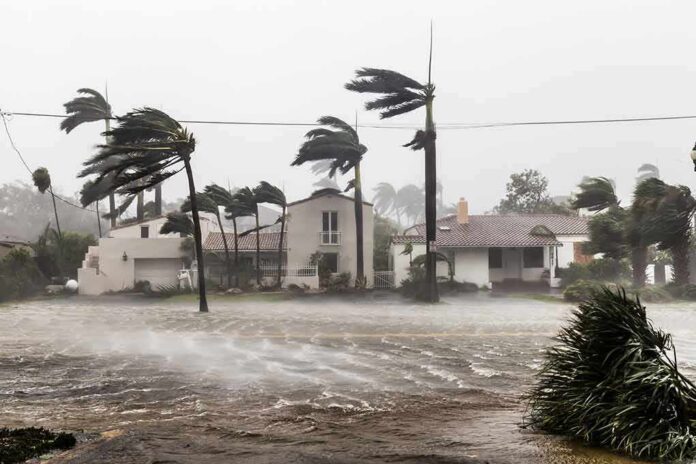
Florida activated a full hurricane posture as Governor Ron DeSantis warned residents to prepare for Hurricane Isaias and the state moved to protect at-risk counties.
Story Highlights
- DeSantis briefed Floridians from the State Emergency Operations Center on preparations and expected impacts.
- Florida issued an emergency order naming multiple East Coast counties for protective actions.
- The federal government later authorized emergency support for those Florida counties.
- Officials urged families to stock food, water, and medicines ahead of possible power outages.
DeSantis Leads Statewide Preparedness Briefing
Governor Ron DeSantis delivered a public update on Hurricane Isaias from the State Emergency Operations Center in Tallahassee, alongside state emergency leaders. He said the state expected impacts even if the center stayed offshore and urged families to prepare. Local reporting from the briefing quoted him advising residents to stock food and medications and be ready for power loss or blocked roads. The Governor’s Office framed the event as a preparedness update focused on concrete steps and statewide coordination.
Florida’s emergency-management apparatus ramped up resource staging and interagency coordination after the briefing. The summary of operations described mobilizing supplies like generators, water, and meals, and coordinating with utility crews and the Florida National Guard to support any rapid response needs. While not every figure in those summaries appears in an official transcript in the record provided, the core point was clear: state teams moved to pre-position people and equipment to cut response times if the storm knocked out power or damaged roads.
Emergency Order Names At-Risk Counties
Florida issued Executive Order 20-181 declaring an emergency for a long list of coastal and near-coastal counties, including Miami-Dade, Broward, Palm Beach, St. Lucie, Volusia, and others. The order empowered state and local teams to use emergency powers, move resources, and protect life and property as Isaias approached. The Florida Division of Emergency Management linked storm information and updates to help residents follow guidance and track county actions during the threat period.
The emergency order followed the public briefing by two days, which tracks how leaders often brief on readiness as forecasts sharpen, then formalize legal authorities as risks rise. The White House later approved Florida’s emergency request for protective measures, aligning federal support with the state’s named counties and authorizing aid for debris removal and response costs tied to the storm period. The federal approval notice marked the start date of emergency conditions as July 31, 2020, covering the window when effects were likely.
Federal Support Aligns With State Actions
The President’s emergency declaration, issued through the White House at the time, authorized federal resources to support Florida’s efforts to protect lives and critical infrastructure as Isaias neared the peninsula. The Federal Emergency Management Agency’s initial notice listed the Florida counties covered and confirmed eligibility for emergency protective measures under federal law. This coordination mirrored the standard hurricane playbook: state leads preparedness and requests help; federal partners backstop life-safety missions and reimburse key costs.
Local media coverage of the briefing highlighted the direct guidance to families. Residents were told to secure seven days of food, water, and necessary medications, charge phones, check generators, and clear yards of loose items that could become projectiles in high winds. Those steps reduce the strain on first responders and keep households self-reliant if roads close or if crews need time to restore power. Clear, early action reduces confusion and saves lives when a track or wind field shifts overnight.
Why Early Moves Matter For Families And Freedom
Storm response tests leadership and logistics. Florida’s approach emphasized decisive state control, clear lines of authority, and fast staging. That protects families and keeps government focused on its core job: public safety. Early orders and straight talk help citizens act now, not wait for Washington red tape. That is the model conservatives expect—local knowledge first, state-led action next, federal support as needed—so people can secure their homes, their businesses, and their communities without chaos or delay.
BREAKING: Florida Gov. Ron DeSantis says Hurricane Isaias has strengthened into a Category 3 storm with sustained winds approaching 120 mph.
Forecasters expect significant wind shear could weaken the hurricane before landfall#Trump #MAGA #GasPrices #Inflation #Economy #USA #MAGA pic.twitter.com/8UWGBLFMjh— John wicker James (@JohnwickerJames) October 9, 2026
For Floridians on the East Coast, the message was simple and urgent: prepare today, listen for county guidance, and keep your family plan ready. The system worked as designed—state leaders briefed the public, invoked emergency powers for threatened counties, and secured federal backing to meet any surge in needs. That is how you defend life, property, and the freedom to rebuild quickly after the wind passes and the lights come back on.
Sources:
facebook.com, floridadep.gov, x.com, weather.com, floridadisaster.org, fema.gov