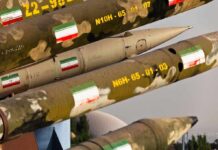
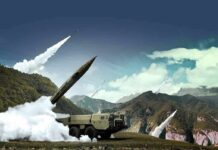
A ninth straight night of U.S. strikes on Iran underscores how deadly Iranian attacks on American troops have turned this war into a grinding test of resolve.
Story Snapshot
- Two U.S. troops were killed and one went missing after an Iranian missile and drone strike on a Jordan base housing American forces.
- A third American was killed in northern Iraq while handling unexploded ordnance from a downed Iranian attack drone, bringing the U.S. death toll in the Iran war to 17.
- U.S. Central Command says its latest attacks on Iran are “self-defense” strikes aimed at the Iranian Revolutionary Guard after repeated strikes on U.S. forces.
- Iran’s claims of heavy U.S. losses at Jordanian bases are contradicted by Jordanian officials, who report interceptions and no serious damage.
U.S. Troops Killed in Jordan and Iraq as War With Iran Intensifies
American families woke up to more tragic news this week as the U.S. military confirmed fresh combat deaths tied directly to Iranian attacks. On Friday, Iranian missiles and drones slammed into Muwaffaq Salti Air Base in Jordan, a facility that hosts U.S. troops, killing at least two American service members and leaving a third missing in action. Four others were hurt and later treated in Jordan. That attack was one in a series of Iranian strikes on U.S. positions in the region.
Less than a day later, loss struck again. U.S. Central Command reported that a service member in northern Iraq died Saturday while conducting a controlled detonation of unexploded ordnance from a downed Iranian one‑way attack drone. Another American was wounded in the blast but is expected to recover. Central Command said this death raised the total number of Americans killed since the U.S.–Israel war on Iran began on February 28 to 17, highlighting how this conflict now carries a steady human cost.
Trump Administration Orders Ninth Night of Strikes Framed as Self‑Defense
Following these deaths, the Trump administration ordered a fresh wave of airstrikes on Iranian targets for a ninth consecutive night, focusing on the Islamic Revolutionary Guard Corps units believed responsible for the Jordan attack. U.S. Central Command described the latest strikes, including earlier operations near Bandar Abbas and other southern Iranian sites, as “self‑defense” missions meant to protect American troops and stop further missile and drone attacks. This fits a broader pattern of Washington using force after fatal attacks on U.S. personnel in the Middle East.
Officials have traced many of Iran’s recent actions to its paramilitary Revolutionary Guard, which Tehran uses to hit U.S. forces while trying to avoid a full‑scale conventional clash. In past years, similar Iranian‑backed attacks killed three Americans at Tower 22 in Jordan and injured dozens more, prompting U.S. strikes on militia facilities in Iraq and Syria. Under President Trump’s second term, the number of such operations has surged, with hundreds of strikes launched across several countries to punish attacks on American troops and to degrade Iran’s missile and drone networks.
Iran Boasts of Damage While Jordan and U.S. Dispute Its Claims
Iran’s Islamic Revolutionary Guard Corps has loudly claimed major successes, including destroying hangars and aircraft at Jordanian bases such as Muwaffaq Salti and damaging U.S. assets at Aqaba airport. But Jordanian state media, citing military sources, reported that their air defenses intercepted most of the missiles aimed at the Azraq area and that there were “no human casualties or material damage” from those strikes. This sharp gap between Iranian propaganda and local reporting adds to confusion as citizens try to track what is really happening.
🚨 10‑DAY PAUSE PROPOSED IN US‑IRAN STRIKES.
Mediators have floated a plan for a 10‑day halt in US‑Iran strikes as both sides look for a way to revive their interim deal. The proposal comes amid heavy fighting, including nine straight nights of US strikes and Iranian retaliation… pic.twitter.com/IQYX7PiiKE
— The Content Factory (@tcf_updates) July 20, 2026
While Iran fires into Jordan, Kuwait, and other locations, U.S. officials say they are trying to keep the war limited but will not tolerate ongoing attacks on Americans. Central Command has documented repeated Iranian missile launches at bases hosting U.S. troops in Kuwait and other countries, some of which were intercepted, while others caused deadly casualties. At the same time, the Pentagon has stressed that many Iranian attempts have been blunted by U.S. and allied defenses, even as the number of wounded and killed service members slowly rises.
Pattern of ‘Self‑Defense’ Strikes and What It Means for U.S. Forces
These latest operations continue a clear pattern that began even before the current Iran war: Iranian missiles, drones, or proxy militias strike U.S. forces, and Washington responds with what it calls “self‑defense” airstrikes. In past cases, such as the downing of a U.S. Army Apache helicopter and earlier rocket attacks in Iraq, Central Command used the same language, saying its goal was to punish unjustified Iranian aggression and deter future attacks. The Trump administration now appears determined to follow through on that doctrine for as long as Iran keeps targeting American troops.
For conservative Americans who value a strong national defense, this pattern raises hard questions. On one hand, many believe the U.S. must hit back hard when enemies kill our service members; anything less could invite more attacks. On the other hand, every “self‑defense” strike risks more escalation and greater danger for troops stationed across the Middle East, from Iraq and Jordan to bases near the Strait of Hormuz. The current cycle of tit‑for‑tat attacks shows how quickly a limited response can grow into a long, grinding conflict with rising human and financial costs.
Sources:
independent.co.uk, usatoday.com, nbcnews.com, al-monitor.com, bbc.com, facebook.com, abcnews.go.com, dailymotion.com, middleeasteye.net, caliber.az, newarab.com, militarytimes.com, cfr.org, state.gov