
A breakaway Catholic group has defied Pope Leo XIV and the Vatican by consecrating four bishops without his approval, in a move the pope has already labeled a “schismatic act” that risks automatic excommunication.
Story Snapshot
- Pope Leo XIV warned that consecrating bishops without his mandate is a schismatic act that gravely wounds Church unity.
- The Society of St. Pius X (SSPX) went ahead anyway, consecrating four bishops at its seminary in Écône, Switzerland.
- The Vatican says such consecrations trigger automatic excommunication under canon law and endanger valid sacraments for the faithful.
- The clash echoes the 1988 Lefebvre crisis, when similar traditionalist consecrations were declared schismatic and punished.
Traditionalist group defies the pope with new bishops
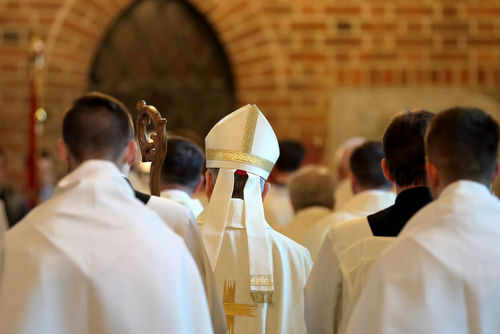
The Swiss-based Society of St. Pius X, a traditionalist Catholic group attached to the Latin Mass, has consecrated four new bishops today at its international seminary in Écône, Switzerland, without papal mandate. The group says aging leadership and the need to continue confirmations and ordinations in the old rite forced its hand, claiming an “objective state of grave necessity in which souls find themselves” leaves them no choice but to act outside Vatican approval.
Pope Leo XIV had personally appealed to SSPX Superior General Father Davide Pagliarani to halt the consecrations, warning they would repeat the rupture caused in 1988 when Archbishop Marcel Lefebvre consecrated bishops against Rome’s will. Under canon law, a bishop who consecrates another bishop without papal mandate, and the man who receives that consecration, incur automatic excommunication, meaning they are cut off from communion with the pope even if no decree has yet been published.
Vatican warning: ‘schismatic act’ and loss of sacraments
In a formal letter dated June 29, 2026, Pope Leo XIV told Father Pagliarani that proceeding with the consecrations would be a “schismatic act” that “tears the seamless garment of Christ” and is a “sin of extreme gravity” against the unity of the Church. He invoked his authority “received from Christ” to ask the SSPX to desist, stressing that disobedience would not only wound the Church but directly harm the faithful who look to these clergy for spiritual care.
The pope warned that by acting without a papal mandate, the SSPX bishops risk depriving their followers of “licit and, in some cases, even valid reception of the sacraments,” especially confession and marriage, which depend on proper jurisdiction from Rome. Vatican officials have repeatedly stated that episcopal consecrations without approval are illicit and schismatic under the norms that govern the Church, echoing previous teaching that such acts threaten apostolic succession and unity because bishops can then ordain many priests on their own authority.
Historical echo of the 1988 Lefebvre crisis
For many Catholics, this showdown feels like history repeating itself. In 1988, Archbishop Marcel Lefebvre, founder of the SSPX, consecrated four bishops without papal consent, claiming he had to preserve Tradition against modern errors. Pope John Paul II responded with his apostolic letter “Ecclesia Dei,” declaring the act “schismatic” and formally excommunicating Lefebvre and the four new bishops, while stressing that no real necessity justified breaking communion with Rome.
Catholic canonists note that today’s consecrations are canonically analogous to those in 1988, since the SSPX is once again creating bishops without a mandate from the pope in direct defiance of a written warning. The Vatican’s doctrine chief has already said these new consecrations will likewise be a “schismatic act” that incurs automatic excommunication, even if the sacraments the bishops perform remain valid but illicit — real in form, but illegal and spiritually dangerous because they lack proper authorization.
How this fight over authority affects ordinary believers
This internal Catholic clash should matter to American conservatives who care about faith, family, and limits on elite power. On one side, the Vatican is trying to defend a clear chain of authority, arguing that only the pope can decide who becomes a bishop, just as our Founders insisted that ordered liberty needs rules and real accountability. Without that, any group can claim spiritual power and start acting like its own parallel church, confusing families who just want solid teaching and reverent worship.
The Associated Press reports that the Society of St. Pius X (SSPX), a breakaway traditionalist Catholic group, has defied Pope Leo XIV by consecrating four bishops without Vatican approval in Econe, Switzerland.
The move, carried out during a traditional Latin Mass attended by…
— Juliet Njau (@NjauJuliet) July 1, 2026
On the other side, the SSPX presents itself as guardian of tradition, saying it is simply protecting reverent liturgy, strong priestly formation, and large families from decades of confusion and watered-down doctrine. Many lay people frustrated by “woke” trends and moral drift inside the Church see these traditionalists as allies. But Pope Leo’s warning makes clear that when any religious group rejects rightful authority and sets up its own hierarchy, it risks real schism — a split that, like past church breaks, can last for centuries and leave ordinary believers caught in the middle.
Sources:
insiderpaper.com, ncregister.com, facebook.com, vatican.va, gaudiumpress.ca, youtube.com, fsspx.news, ewtnnews.com, fsspolgs.org