
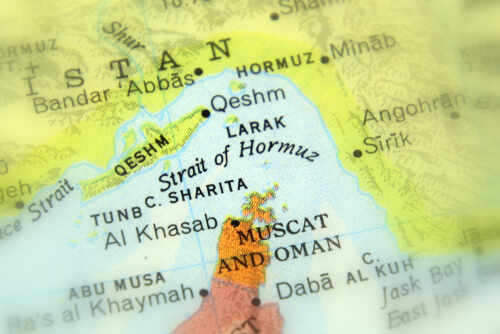
Iran’s new “toll booth” in the Strait of Hormuz is squeezing American families at the gas pump while Washington still can’t clearly explain what the endgame is.
Story Snapshot
- Iran has reportedly allowed some tankers to transit the Strait of Hormuz only after payments that can reach about $2 million per voyage.
- Iranian lawmakers have moved to formalize a “management plan” for the strait, framing tolls as payment for security and oversight.
- Shipping intelligence and reporting describe “zombie tankers” using identity-obscuring tactics to move cargoes through the chokepoint.
- Payments are reported to flow through yuan and informal networks that skirt sanctions, complicating U.S. economic pressure tools.
Hormuz “tolls” turn a global chokepoint into leverage
Iran’s approach in the Strait of Hormuz has been described by multiple reports as a de facto toll system: certain commercial vessels, particularly oil tankers, gain passage after paying significant fees while others face delays or restrictions. With the strait functioning as a narrow energy artery for the world economy, even selective interference can jolt prices and insurance costs. The key fact is simple: Iran is monetizing access during conflict conditions, and the bill gets passed along globally.
Shipping-focused reporting says more than 20 so-called “zombie tankers” have used the route under this emerging arrangement, and at least two voyages reportedly paid around $2 million apiece. The term “zombie tanker” typically refers to ships that obscure ownership or identity to reduce scrutiny while transporting sanctioned or high-risk cargoes. For shippers carrying oil valued in the hundreds of millions, a multi-million-dollar fee can look like an expensive but survivable cost of doing business.
Tehran moves from informal shake-down to formal policy
Iranian state-linked coverage says a parliamentary security committee approved a “Strait of Hormuz Management Plan” that includes tolls denominated in rials, plus security and environmental provisions. That matters because it signals an attempt to normalize the concept that Iran can charge for transit through one of the world’s most critical waterways. Iranian messaging portrays the fees as “natural” compensation for providing security—an argument that collides with widely cited international norms around unimpeded transit.
Outside analysts emphasize that Iran’s sanctions experience has built a parallel financial toolkit designed to keep money moving when formal channels get blocked. Reporting and expert commentary describe payments routed through yuan and informal systems such as hawala networks, with regional commercial hubs helping transactions clear. The practical implication for U.S. policy is that sanctions pressure may be diluted if counterparties can settle outside dollar rails. That also raises a hard question for taxpayers: if pressure tools are blunted, military action becomes the default—and that’s exactly what war-weary voters resent.
What’s confirmed—and what’s speculation—about a ceasefire
The claim that the U.S. is “about to sign a ceasefire” that lets Iran “keep” a toll regime is not confirmed in the provided sourcing. What is supported is narrower: toll-like payments have been reported, a legislative framework has been discussed and advanced inside Iran, and maritime experts quoted in coverage argue the practice conflicts with legal expectations for transit passage. If Washington is in talks, the public record here does not establish terms, timelines, or any U.S. concession on tolling.
Why this is splitting MAGA voters: wallets, war fatigue, and priorities
Conservative voters who backed President Trump for strength abroad and lower costs at home are watching a familiar pattern: foreign conflict drives energy volatility, and families pay the price. The added twist is political, not just economic. Many MAGA supporters are divided on how far the U.S. should go in a new Middle East escalation, and some are openly questioning the wisdom of open-ended commitments tied to Israel’s security needs. The documented facts about Hormuz tolling reinforce the fear that “limited” actions quickly become permanent burdens.
From a constitutional, America-first perspective, the pressure point isn’t only Iran’s behavior—it’s whether the U.S. government can define a limited mission, protect commerce, and avoid another blank-check war that expands executive power and long-term spending. The sources show Iran exploiting a chokepoint, building workarounds to sanctions, and flirting with formalizing tolls. What they do not show is a settled U.S. strategy that ends the crisis without locking Americans into yet another cycle of intervention and high prices.
Sources:
Iran parliament panel approves plan to impose tolls on Strait of Hormuz amid West Asia conflict
Iran running a ‘toll booth’ regime in Strait of Hormuz, getting paid in yuan, experts say