
America just froze $14 billion in weapons for Taiwan to feed the Iran war, and Beijing could not be happier.
Story Snapshot
- Acting Navy Secretary Hung Cao says Taiwan’s $14 billion arms deal is “paused” to protect munitions for the Iran war.[13]
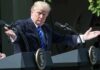
- President Trump openly calls the Taiwan package a “very good negotiating chip” with China after meeting Xi Jinping in Beijing.[2]
- Taiwan’s leaders say they have received no official notice, deepening doubts about U.S. reliability in Asia.[1]
- Experts warn the pause weakens deterrence, hands China a propaganda win, and raises questions about political motives.[3]
What Hung Cao Told Congress About The Taiwan Weapons Freeze
Acting Navy Secretary Hung Cao, a 25‑year combat veteran now running the Navy, told senators that U.S. weapons sales to Taiwan are on hold.[3] He said the United States is “doing a pause” to make sure it has the munitions needed for Operation Epic Fury, the joint U.S.–Israel fight against Iran, even while insisting America still has “plenty” of weapons on hand.[13] Cao also said foreign military sales will resume “when the administration deems necessary,” framing the move as a temporary, technical step rather than a policy shift away from Taiwan.[4]
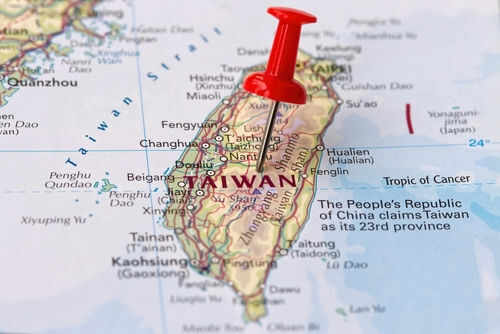
Cao’s testimony confirms the size of the deal and its importance. The $14 billion package would be the largest single arms transfer to Taiwan in U.S. history and includes advanced air defense missiles such as PAC‑3 and other surface‑to‑air systems.[2] Congress already signed off on the sale in January, but it still needs final approval from President Trump under American law.[3] For many conservatives, this record‑setting package is exactly the kind of hard power that keeps China in check and supports the Taiwan Relations Act’s promise to help the island defend itself.[7]
Iran War Shortages Or China Pressure? The Timing Problem
The official story says the pause is about war with Iran and protecting ammunition, but the timing raises hard questions. Cao’s announcement came just days after Trump’s visit to Beijing, where Chinese leader Xi Jinping warned against U.S. interference in Taiwan and pushed back on arms sales.[1] Soon after that trip, Trump told Fox News the Taiwan package is “a very good negotiating chip” with China, linking the deal to broader talks with Beijing and making it sound less like a battlefield decision and more like a bargaining tool.[2]
Defense experts argue the Iran war explanation does not match how arms sales work. One analyst noted that even if Congress got final paperwork this year, Taiwan would not receive most systems until the 2030s, long after the current Iran fighting should end.[3] If delivery is four to six years away, pausing now does little to change near‑term ammunition levels, but it does send a powerful signal to China and to allies watching American resolve. That mismatch fuels the belief that politics with Beijing, not real shortages, are driving the decision.[3]
How Allies See The Pause And Why China Is Smiling
Leaders in Taipei say they have not received official word from Washington about any halt in the weapons deal, even as media around the world report the pause.[1] Taiwan’s presidential spokesperson Karen Kuo told reporters there is “no information regarding any adjustments” from the United States, a careful statement that still hints at confusion and concern.[13] That gap between what American officials say in hearings and what allies are told privately makes the United States look unpredictable, pushing countries like Japan, South Korea, and Taiwan to think more about going their own way.[3]
China, meanwhile, is using the delay to claim victory. After a separate $11 billion U.S. arms sale to Taiwan in 2023, Beijing warned of “forceful measures” and ran drills near the island to show displeasure.[8] Now, with the new $14 billion package frozen, Chinese state media casts the move as proof that pressure on Washington works and that Trump treats Taiwan as a bargaining chip, not as a partner.[5] That narrative weakens U.S. deterrence, undercuts the Taiwan Relations Act, and encourages more aggressive Chinese moves in the Taiwan Strait, all while America appears distracted and stretched thin by war and debt.
Sources:
[1] Web – China Is Smiling: U.S. Holds Back $14 Billion Worth of Arms Deliveries …
[2] Web – Hung Cao – Wikipedia
[3] Web – WATCH: Navy Acting Secretary Hung Cao testifies on budget … – PBS
[4] Web – Hung Cao to take over as acting SECNAV after Phelan’s unexpected …
[5] Web – Navy Secretary John Phelan steps down, Hung Cao takes over
[7] Web – Hung Cao, Acting Secretary Of The Navy, Is The SECNAV America …
[8] Web – Navy, Marine Corps Leaders Testify on FY27 Budget Request – DVIDS
[13] Web – US pauses $14 billion Taiwan arms sale over Iran war