
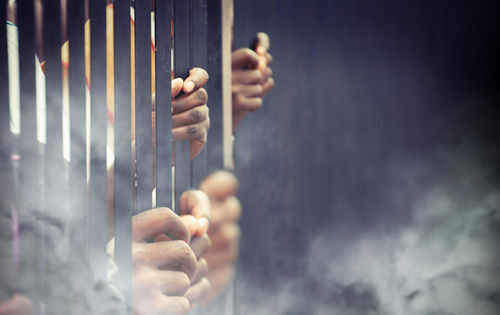
Cuba announces it will release 51 prisoners amid crippling Trump administration fuel sanctions, yet the communist regime insists the timing has nothing to do with Washington’s pressure—a claim that rings hollow as Havana’s economy crumbles and bilateral talks quietly begin.
Story Snapshot
- Cuba to free 51 prisoners citing “humanitarian” reasons and Vatican coordination, denying any U.S. pressure despite fuel cutoffs.
- Trump administration severed fuel supplies after losing Venezuela’s support, escalating economic leverage to demand political prisoner releases.
- Human rights advocates express skepticism as Cuba refuses to disclose whether any political dissidents are among those freed.
- The releases coincide with Holy Week and follow over 500 prisoners freed in 2025, including prominent dissident Jose Daniel Ferrer.
Trump’s Economic Squeeze Forces Cuba’s Hand
The Trump administration’s decision to slash fuel supplies to Cuba in early 2026 created an unprecedented crisis for the island’s already fragile economy. After Venezuela shifted away from supporting Havana, the White House moved aggressively to exploit this vulnerability, using energy as leverage to demand the release of political prisoners and address migration concerns. President Miguel Díaz-Canel held a press conference on March 13, 2026, acknowledging ongoing bilateral talks with Washington while maintaining that the prisoner releases stem from Cuba’s “sovereign humanitarian practice,” not external coercion. The timing, however, tells a different story that resonates with anyone tired of authoritarian regimes playing word games while their people suffer.
Vatican Diplomacy Provides Cover for Communist Concession
Cuba’s Ministry of Foreign Affairs announced the release of 51 inmates on March 12, 2026, framing the decision as aligned with Holy Week traditions and the Vatican’s close relationship with Havana. Pope Leo XIV has encouraged negotiations between Cuba and the United States, providing diplomatic cover that allows the communist government to save face while capitulating to American pressure. The prisoners, selected for serving significant portions of their sentences with good behavior, will be freed in coming days as Holy Week begins March 29. This Vatican-mediated approach mirrors the 2025 release of over 500 prisoners, brokered through church negotiations, which included dissident Jose Daniel Ferrer who now resides in the United States.
Critical Questions About Political Prisoners Remain Unanswered
Cuba has conspicuously avoided identifying which 51 prisoners will be released, fueling concerns among human rights organizations and Cuban exile communities in South Florida. Analyst Gomez questioned Cuba’s sovereignty claims, noting the obvious connection to Trump’s economic sanctions and highlighting the Vatican’s mediating role. Historical precedent offers little comfort—Amnesty International documented that Cuba’s 2000 prisoner releases were overshadowed by new convictions of dissidents, a pattern suggesting cosmetic gestures rather than genuine reform. South Florida Cuban-Americans and congressional representatives like Maria Salazar are demanding transparency about whether any political prisoners will gain freedom or if this amounts to another propaganda exercise by the Díaz-Canel regime.
Decades of Pardons Mask Ongoing Repression
Since 2010, Cuba has granted pardons or legal benefits to nearly 20,000 inmates, often timing releases to religious holidays or diplomatic initiatives to manufacture favorable optics. The Ministry of Foreign Affairs emphasized this “humanitarian history” in its March 12 communiqué, attempting to normalize what critics view as a calculated response to American economic warfare. The current situation differs from past releases due to the acute fuel crisis and Trump’s explicit demands, creating leverage Washington hasn’t possessed in years. For conservatives who value transparency and constitutional governance, Cuba’s refusal to distinguish between common criminals and political dissidents represents yet another authoritarian sleight-of-hand designed to preserve power while pretending to embrace humanitarian values.
Economic Desperation Drives Havana Toward Negotiating Table
The fuel cutoff has devastated Cuba’s ability to sustain basic services, creating conditions that finally forced Díaz-Canel to acknowledge dialogue with the Trump administration—a significant admission for a regime that typically denies American influence. The bilateral talks represent a potential thaw in relations, though skepticism remains warranted given Cuba’s history of broken promises. Short-term impacts include humanitarian relief for released prisoners and their families, while long-term implications depend on whether this establishes precedent for additional releases or exposes the regime’s unwillingness to genuinely reform. For American taxpayers frustrated with endless foreign entanglements and wasted diplomatic efforts, the question becomes whether Trump’s hardline approach can finally achieve meaningful change without dragging us into another prolonged international commitment that benefits globalist interests over American workers.
Sources:
Cuba Expert Explains Prisoner Exchange Announcement – CBS Miami
Cuba to Free 51 Prisoners, President to Speak Amid US Tension – Bloomberg
Communiqué of the Ministry of Foreign Affairs of the Republic of Cuba – Periodico26
Cuba Prisoner Pardon Holy See Diplomacy Holy Week – Vatican News