
Washington says China-based companies supplied satellite imagery that helped Iran target American troops, putting U.S. forces in the crosshairs with foreign tech support.
Story Highlights
- The State Department sanctioned China-based firms for imagery that enabled Iranian strikes on U.S. forces.
- Named companies include Meentropy Technology (MizarVision), The Earth Eye, and Chang Guang Satellite Technology.
- Beijing rejects the allegation as false and demands evidence from U.S. officials.
- The Trump administration frames the actions as disrupting Iran’s military procurement network.
U.S. Sanctions Target Chinese Firms Tied to Iranian Strikes
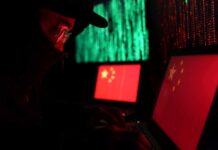
The U.S. Department of State announced sanctions on several China-based entities that, it says, provided satellite imagery enabling Iranian military strikes against American forces in the Middle East. Officials named Meentropy Technology, known as MizarVision, The Earth Eye, and Chang Guang Satellite Technology among those targeted. The move aims to choke off foreign tech that boosts Iran’s targeting and battle damage assessment. The administration described the actions as part of a broader campaign to disrupt Iran’s overseas military procurement network.
President Trump’s team is now responsible for stopping these threats in real time. Sanctions are one tool. The message is clear: if a company helps Iran find our bases, track our aircraft, or plot strikes, it will face penalties. The government did not publish the full technical chain from provider to target. That often happens in sanctions cases to protect sources. Still, the named firms are now on notice, and any financiers or customers face risk by association.
Beijing Denies, Washington Presses the Case
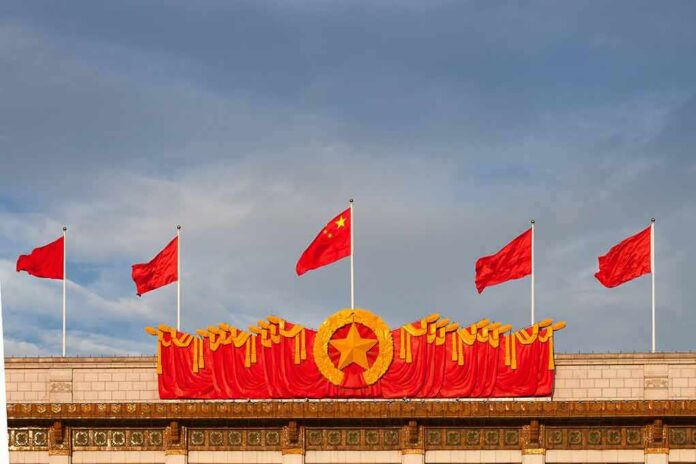
China’s foreign ministry dismissed reports that its entities supplied imagery used to target a U.S. base, calling the claims false and driven by rumor. Beijing demanded proof when U.S. officials raised the matter and warned against accusations without evidence. Chinese statements did not address the specific U.S. designations in detail. Instead, officials framed cooperation with Iran as lawful and routine. The public line from Beijing stands in direct conflict with the U.S. sanctions narrative.
For Americans reading the crossfire, one fact stands firm: the U.S. government took formal action and named names. That is not a rumor mill. It carries legal weight and real costs for the targeted firms. China’s denial shows how gray-zone warfare works today. Commercial tools can serve battlefield aims. When those tools help hostile forces put Americans in danger, Washington must act fast. Sanctions are step one. Disruption, interdiction, and hard defenses must follow.
Why Commercial Space Data Now Shapes the Battlefield
Commercial satellite imagery once served maps and crop surveys. Now it can guide drones, missiles, and militias. The same picture that helps plan a road can help time a strike. U.S. officials say Iran tapped that market, with help from China-based providers, to watch U.S. movements and aim attacks. Analysts have tracked similar patterns in other wars, where remote sensing orders cluster around targets before and after strikes, supporting planning and damage checks.
This dual-use problem puts American troops at risk and strains old rules. Buying data may be “legal” in one venue but deadly on the ground. That is why the Trump administration moved to punish sellers it links to Iran’s targeting cycle. Cutting the flow of precise images forces adversaries to guess more and hit less. It also warns data brokers worldwide: if your feeds help kill Americans, you will lose access to the U.S. market, the dollar system, and global partners.
What Comes Next: Pressure, Protection, and Deterrence
Expect more pressure on foreign space and data firms that court sanctioned buyers. Financial penalties will widen. Export controls may tighten around tasking services and high-resolution products. U.S. agencies will also push for faster takedowns of suspicious orders and shell companies. The goal is to make it harder, slower, and costlier for Iran to see and hit U.S. positions, while keeping American commanders supplied with better, timelier pictures than any foe gets.
🚨 CrawlHub · Newswire · 12h Brief
Sep 14Iran claims it shot down a US military MQ-1 drone over the Strait of Hormuz, escalating tensions in the critical oil transit route. This comes as diplomacy falters, with a planned meeting on the Strait of Hormuz proposal postponed and… pic.twitter.com/ejEmu1Dc2q
— CrawlHub (@TheCrawlHub) September 14, 2026
On the home front, this fight ties back to core conservative priorities: defend our troops, check hostile regimes, and end dependence on adversary supply chains. The sanctions signal resolve, but vigilance matters. Congress and the administration can align on tougher screening, stronger penalties for willful violators, and rapid sharing with industry to block dirty orders. America should lead in space and data, but never let that power be turned against our own.
Sources:
redstate.com, bloomberg.com, politico.com, news.yahoo.co.jp