

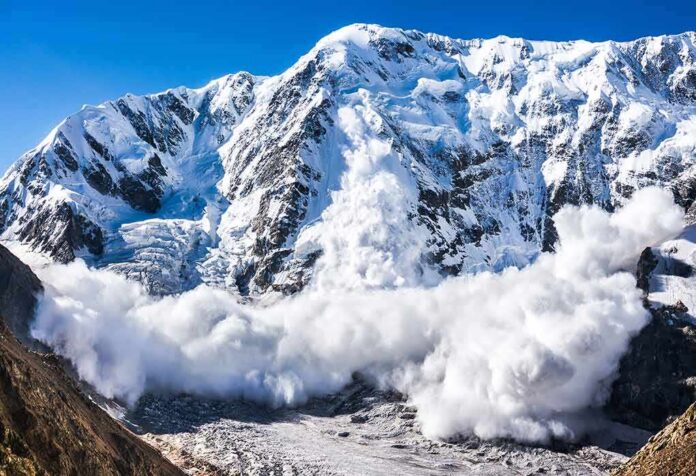
A four-year-old dog beat the odds after an Alaska avalanche, surviving about 50 hours in the snow before rescuers found her alive.
Story Highlights
- LouLou, a poodle-husky mix, survived roughly 50 hours after an avalanche in Chugach State Park.
- Volunteers and friends organized a search by air and foot, aided by an Apple AirTag signal.
- Rescuers located LouLou alive and largely unhurt days after the slide near Eklutna Lake.
- The case shows how simple tech and community grit can save lives in harsh terrain.
Dog Survives 50 Hours After Avalanche Near Eklutna Lake
Reporters said an avalanche on October 10 swept two experienced mountaineers about 500 feet off a ridge in Alaska’s Chugach State Park. Their dog, LouLou, a four-year-old poodle-husky mix, vanished in deep snow and cold wind. Searchers began looking across steep bowls and tree lines. After about 50 hours, crews found LouLou alive and mostly unharmed. The discovery ended days of worry and gave a welcome win to families and neighbors who refused to quit.
Local coverage placed the slide near Eklutna Lake and confirmed the dog was found safe days later. The pair of mountaineers were rescued and treated for injuries while friends kept scanning the drainage and ridges for LouLou. Winter-like conditions slowed ground teams and forced cautious flying. The outcome broke from the grim pattern that usually follows avalanches. Survival for long periods in snow is rare, which made this recovery stand out for many Alaskans.
AirTag Pings Narrowed the Search Grid in Remote Terrain
Searchers said a key clue came from an Apple AirTag on LouLou’s collar. The tag’s signal helped narrow a large search area across rugged slopes. AirTags rely on nearby Apple devices to relay location. That works best in cities but can be spotty in the backcountry. Even with those limits, the periodic pings gave teams a starting box and saved precious time in cold, short daylight hours, according to consumer tech reporting on AirTag performance.
Rescuers combined the intermittent location hints with old-fashioned methods. Volunteers scanned likely shelter spots, drainages, and wind-slab edges. A helicopter crew widened the view and checked for fresh tracks or body heat. Ground teams followed debris paths that a scared dog might take to avoid exposure. That blend of simple tech and local know-how paid off when crews spotted LouLou awake and responsive, ending a tense wait for the owners and the community.
Why This Rescue Worked—and What It Teaches Families
Avalanche guidance stresses that time is critical and that most fully buried victims have minutes, not hours. Dogs and organized teams can cover ground fast, but even then, outcomes can turn grim. LouLou’s case was different because she was not trapped under deep snow, and searchers kept at it. Her collar tag did not replace trained searchers. It pointed them in the right direction while people did the hard work on the mountain.
solana:7BMb4jNt2tQG81jX7W22H2h2UyL4SW9QJgz25HRhpump 200K
2N8c4pXu6T2oBxE8ZDBYb3QgwMkyTe673HiBaYSNpumpOn October 10, LouLou followed two climbers into Chugach State Park in Alaska. During the trip, they were caught in an avalanche. The two climbers were swept about 500 feet down… https://t.co/KPRpRzCDRC pic.twitter.com/hqeQA3tqk9
— Azzie (@Motier_crypto) October 13, 2026
For families who hike, this story offers clear steps. First, carry basic winter gear even on shoulder-season hikes. Second, tag pets with both a visible ID and a tracker that can aid rescuers. Third, share plans and timelines with a trusted contact. Technology can help, but it works best when paired with community action and common sense. In Alaska’s backcountry, grit, neighbors, and simple tools often make the difference between loss and a happy reunion.
Sources:
facebook.com, people.com, lastampa.it, ilfattoquotidiano.it, greenlight.com