

When airlines can take away pre-booked seats without clear, immediate accountability, everyday families—celebrity or not—get a reminder that “customer service” is often just a slogan.
Story Snapshot
- Actress Brenda Song alleged Alaska Airlines reassigned her family’s pre-booked first-class seats, separating the family across cabins.
- The claim reignited scrutiny of airline seat management, including overbooking, equipment swaps, and last-minute operational decisions.
- Federal rules require airlines to provide certain customer-service disclosures, but many seat and cabin changes still fall into policy gray areas for travelers.
- The incident spread quickly online, reflecting broader frustration that large corporations face little real-time consequence when service fails.
What Brenda Song Says Happened—and Why It Resonated
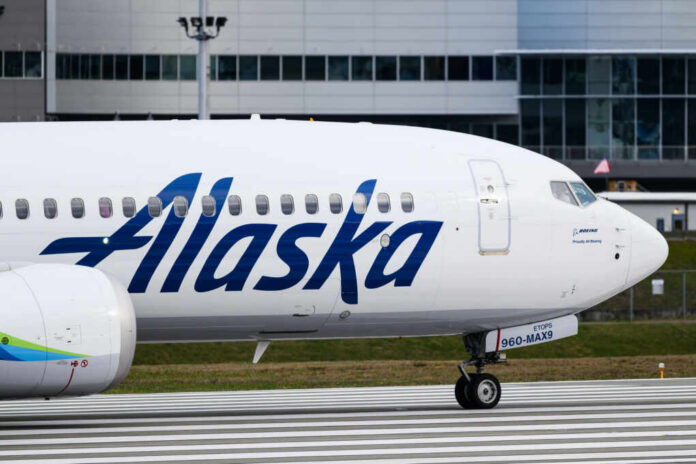
Brenda Song publicly claimed Alaska Airlines gave away her family’s pre-booked first-class seats and separated the family during the flight. The allegation matters less because of fame and more because it mirrors a familiar experience for millions of travelers: you pay for a specific seat and cabin, then learn at the gate that “operational needs” have rewritten your purchase. The available research does not include airline records or an official timeline confirming the event details.
Public reaction has focused on two core issues: whether the airline can reassign seats purchased months in advance, and what obligations exist to keep families together when changes occur. Song’s story also touches a nerve because first-class is marketed as a premium product with higher expectations—yet the moment something goes wrong, customers often encounter the same limited options and scripted explanations seen in economy. Without confirmed documentation, the core claim remains an allegation, not an established finding.
How Seat Reassignments Happen: Overbooking vs. “Operational” Changes
Airlines commonly manage flights with revenue models that can include overbooking, but seat changes can also stem from aircraft swaps, weight-and-balance limits, crew needs, or accommodating passengers with specific safety or disability requirements. The research provided flags overbooking as a key question but does not verify which factor drove this alleged incident. For consumers, the practical problem is the same: the ticket looks like a promise, yet the contract of carriage and day-of-flight decisions often decide who sits where.
Industry scrutiny over these practices has been elevated for years, especially after high-profile controversies that prompted public outrage and political attention. Even when no one is physically removed, involuntary downgrades or cabin reshuffles can still feel like a breach of trust—particularly for families trying to keep young children near parents. The gap between what a passenger believes they bought and what an airline says it can change is where anger—and viral stories—are born.
What Rules Exist—and Where Travelers Still Feel Powerless
U.S. airline customer-service standards include federal requirements for certain disclosures and complaint processes, and the research cites federal regulations in this space (including 14 CFR Part 259). But those frameworks don’t always translate into quick, on-the-spot remedies when a gate agent announces a seat reassignment. Travelers can file complaints with the Department of Transportation, pursue refunds where applicable, or seek compensation under airline policies, yet those remedies often arrive long after the trip is ruined.
That delayed accountability is why stories like this cut through politically and culturally. Many conservative-leaning Americans—already tired of corporate consolidation, sky-high costs, and institutions that don’t seem to answer to regular citizens—see airlines as another example of “rules for thee, not for me.” The research provided does not identify any government enforcement action or confirmed pattern tied to this claim, so the only responsible conclusion is narrower: the alleged incident highlights how limited a traveler’s leverage can be in real time.
What Consumers Can Do When a Paid Seat Disappears
Travelers confronting a downgrade or family separation can ask for a supervisor, request written confirmation of the reason for the reassignment, and document all communications, including boarding passes and seat maps. If the issue involves a paid cabin or seat selection, passengers can ask what refund or credit policy applies and whether the airline can rebook on a later flight with comparable seating. The research recommends checking DOT complaint resources, but it does not supply case-specific documentation showing what was offered to Song.
For families, the most immediate priority is seating children with a parent or guardian, even if that means volunteers swapping seats. The larger question—whether airlines should be allowed to market premium certainty while reserving broad discretion to undo it—remains unresolved in this research set because Alaska Airlines’ specific explanation, if any, is not included. Until more verified details emerge, the story stands as a cautionary tale: keep receipts, know policies, and assume seat assignments can change at the last moment.
Sources:
Brenda Song Calls Out Alaska Airlines for Giving Up Her Family’s Seats With No Warning
Brenda Song Calls Out Alaska Airlines for Giving Away Her Family’s Seats