
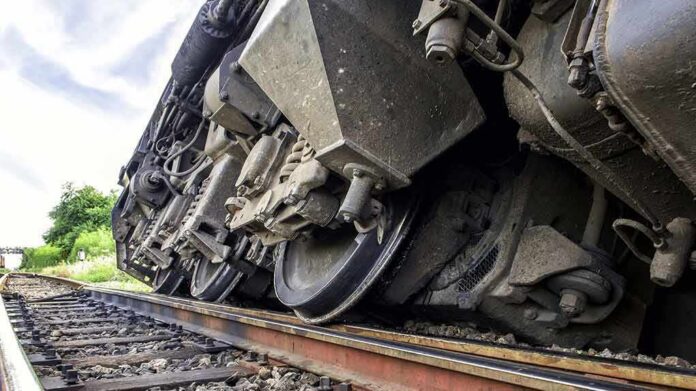
Spain’s King Felipe VI and Queen Letizia joined grieving families at Toledo Cathedral to honor 69 victims of the Urda train disaster, underscoring national unity amid hard questions about rail safety and public trust.
Story Snapshot
- King Felipe VI and Queen Letizia attended a funeral mass for 69 Urda crash victims in Toledo Cathedral.
- Senior leaders, including national and regional officials, joined the service of remembrance.
- The royal couple also met injured victims and support teams during the broader response.
- A European probe is examining possible fraud tied to Spain’s rail upgrades after the crash.
Royal Presence at Toledo Cathedral Honors the Victims
Spain’s royal couple attended a funeral mass in Toledo Cathedral to honor 69 people who died in the Urda train crash. Reports identified the service as a public act of mourning and remembrance for the victims and their families. The event centered on prayer, grief, and respect for the dead. Coverage emphasized tribute rather than politics, keeping the focus on the names and faces lost. The ceremony reflected Spain’s tradition of shared national mourning after civilian tragedies.
Senior figures joined the service, reinforcing the moment’s national weight. Reporting listed Deputy Prime Minister Carlos Cuerpo, Education Minister Milagros Tolón, Castilla-La Mancha president Emiliano García-Page, and opposition leader Alberto Núñez Feijóo among those present. Their attendance signaled that the whole state stood with families in pain. The prime minister’s absence was noted in some coverage, but the core message remained unity around the victims and respect for the grieving.
Support for the Injured and Families Beyond the Church
Royal support extended beyond the cathedral walls. Accounts described King Felipe VI and Queen Letizia visiting Toledo University Hospital, speaking with injured survivors, and meeting psychologists and family-support teams. Their public statement expressed sorrow for the dead and affection for the wounded, matching the solemn tone of the funeral mass. The outreach showed empathy for front-line medical and counseling staff who helped families face shock, loss, and long recoveries.
The Spanish government also set a response posture in the days around the tragedy. The government’s official communications said the state was working to provide answers for families and to support the investigation and recovery efforts. Such steps typically include coordination with emergency services and infrastructure agencies. These actions, while technical, matter deeply to families seeking truth, accountability, and safer rails in the future.
Rail Safety Questions and a European Fraud Probe
European reporting said investigators opened measures tied to potential fraud involving European Union funds for rail upgrades after the crash. The report referenced rail authorities and safety oversight as part of the scrutiny, placing a spotlight on how money was used and whether promised improvements reached the tracks. That probe does not assign blame for the crash, but it raises urgent questions about stewardship of public funds and the delivery of real safety gains.
King Felipe will host an audience for Ángel Gabilondo Pujol, Ombudsman.
King Felipe and Queen Letizia will attend a funeral mass in memory of the victims of the Urda (Toledo) train accident, offered by the Archdiocese of Toledo.
— Royal Central (@RoyalCentral) November 10, 2026
For Americans who value honest government and safe infrastructure, these facts hit close to home. Families deserve systems that work, not bureaucratic excuses. Spain’s mourning shows how a nation should pause, unite, and demand answers when tragedy strikes. The presence of the King and Queen affirmed dignity for every victim. The probe into rail spending aims at the same promise: keep people safe, tell the truth, and fix what is broken so this never happens again.
What We Know and What Remains Formal
Reports firmly establish the royal couple’s attendance at the Toledo Cathedral funeral mass for 69 victims and describe the service as an act of remembrance. Some coverage called it a state funeral, while other reporting said the formal status of the ceremony was not fully confirmed, so “funeral mass” is the most solid term for now. Dates in the reporting vary, which limits precision without a direct royal or diocesan schedule entry. The core facts of attendance and purpose stand.
Why This Matters
Public mourning after a disaster is more than a ritual; it is a promise to the living. Spain’s ceremony placed every lost life at the center and pressed leaders to safeguard the rails. That is a standard any free people should demand: respect for families, transparent use of funds, and real accountability. Honor the dead. Help the wounded. Fix the system. Then keep your word. That is how trust is built, at home and abroad.
Sources:
youtube.com, russpain.com, lamoncloa.gob.es, plataformamedia.com, jang.com.pk