
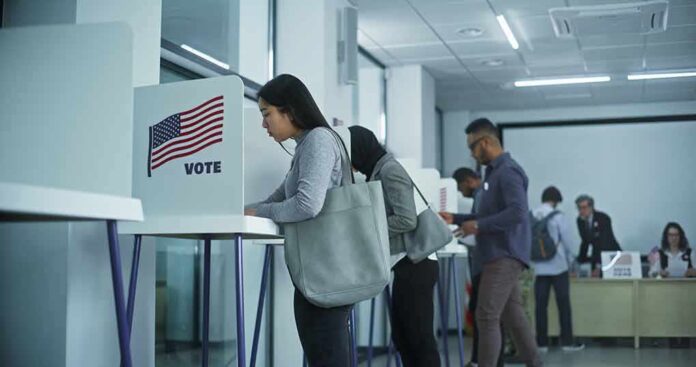
Alaska voters thundered “citizens only” at the ballot box, approving Measure 3 by nearly 70% to lock in U.S. citizenship as the standard for voting.
Story Highlights
- Alaskans passed Measure 3 by about 69.6% to 30.4%, a landslide win for citizen-only voting.
- The measure clarifies state law to say only U.S. citizens can vote; officials say it does not change qualifications.
- Backers say the clear language protects election confidence and affirms citizenship’s value.
- Sen. Lisa Murkowski opposed a related federal approach over rural access concerns, drawing fire from conservatives.
Voters Deliver A Clear Mandate For Citizen-Only Voting
Alaska voters approved Ballot Measure 3 with about 142,991 votes in favor and 62,336 against, a 69.6% to 30.4% margin, according to the Associated Press tally called on November 4, 2026. The result sends a sharp message in a state that values clean rolls and trust in outcomes. Voters chose clarity in law, not ambiguity. Supporters argued that plain words matter, especially when national debates and local rules sometimes blur who may cast a ballot.
The measure’s text updates Alaska’s statute from “a person may vote who is a citizen” to “only United States citizens may vote,” aligning the words with what most people already believe is common sense. That difference may look small on paper, but it closes wiggle room in interpretation. The campaign’s sponsors, including former lawmakers, said the change affirms that citizenship is a core duty and bond that ties voters to the laws and leaders they choose.
What Changes In Practice, And What Stays The Same
Alaska’s official voter materials state that voter registration already requires United States citizenship, and the Alaska Department of Law said Measure 3 does not change who qualifies to vote. That means no new paperwork or steps kick in by passing this measure. Still, voters chose to make the rule unmistakable. They picked legal certainty over legal debate. In a polarized time, bright lines help election workers apply rules the same way across a vast, rural state.
Newsrooms and state lawyers framed the measure as largely symbolic because Alaska law already barred noncitizen voting. That description is accurate on mechanics but misses the point many voters made. People want clear laws that guard against future attempts to water down standards. They want language that matches practice so judges, clerks, and activists cannot twist words later. The vote margin shows Alaskans back that approach in big numbers.
Debate Over Access: Murkowski’s Objection And Rural Concerns
United States Senator Lisa Murkowski said she supports reserving voting to citizens but opposed a related proof-of-citizenship push, warning that in-person document checks could burden rural Alaskans far from election offices. She cited Alaska’s limited offices and long travel distances for many communities off the road system. Her stance drew criticism from conservatives who want stronger verification. Her argument focused on logistics, not on whether noncitizens should be allowed to vote.
alaska just voted to require citizenship to vote. common sense shouldn't need a ballot measure.
— Grant Hayes (@TheGrantHayes) November 6, 2026
Opponents in state coverage also called the Alaska measure redundant and pointed to earlier list maintenance that sidelined voters pending proof, which raised concerns for some new citizens. Supporters countered that clear law helps agencies set better guidance and training. The vote result suggests the public weighed the access concerns and still preferred unmistakable standards. Going forward, lawmakers can pair firm citizenship rules with practical access, like mobile services, to serve remote communities without weakening verification.
How Alaska Fits A National Pattern Of Clarity Measures
Alaska’s result tracks a broader trend where states adopt citizen-only language to match public expectations. Reporting shows voters in several states have backed similar measures in recent cycles, while critics often label them symbolic if existing law already bars noncitizen voting. Whether symbolic or not, these votes build a legal backstop. They also signal that everyday Americans want guardrails on the front end, not court fights after ballots are cast.
Bottom Line: Clarity Now Beats Chaos Later
Measure 3 does not add new hurdles today, but it draws a bright line in law that future officials must respect. The nearly 70% approval is a rebuke to any effort to blur who votes in American elections, and it undercuts claims that clear rules are somehow extreme. Alaskans said the franchise belongs to citizens, period. Now, the task is to keep the rolls clean, make the rules simple to apply, and ensure rural access without carving loopholes big enough to drive a truck through.
Sources:
thegatewaypundit.com, alaskabeacon.com, nytimes.com, alaskapublic.org, cnn.com