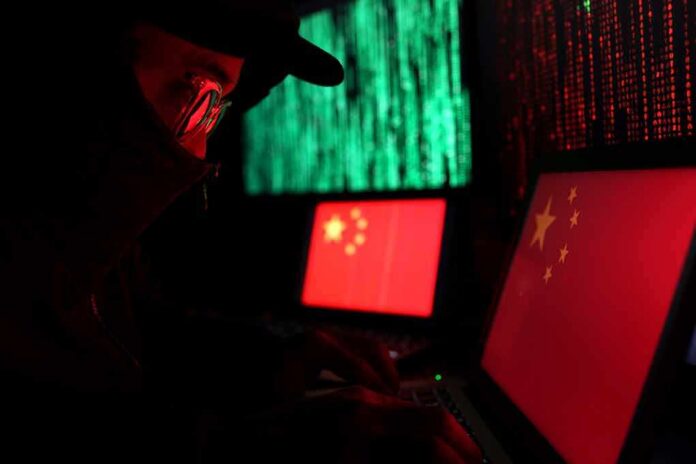
Investigative reports say China-linked money is flowing into the 2026 midterms through Democratic channels, raising fresh alarms about foreign influence on U.S. elections.
Story Highlights
- Reports identify donors with ties to Chinese entities funding Democrats in 2026 races.
- Researchers and lawmakers warn China uses proxies, exchanges, and nonprofits to shape U.S. politics.
- Natalie Winters spotlights a left-leaning group’s links to Chinese influence networks.
- Officials and think tanks describe a broader pattern of Chinese Communist Party political warfare.
Reports Tie Democratic-Linked Funding To Chinese Interests
Published reports identify specific donors and firms with Chinese ties who have given to Democratic campaigns during the 2026 cycle. A Denver outlet reported that financier Donald Sussman holds a majority stake in New China Capital Management, which has positions in companies linked to the Chinese state, while noting he donated nearly two hundred thousand dollars to Democratic House candidates since January 2025. Separate coverage detailed contributions from manufacturing executive Pin Ni to Democratic Senate contenders in key races. These reports place concrete dollar figures and names on a growing concern.
War Room investigative reporter Natalie Winters has focused attention on a left-leaning network she says is tied to Chinese influence operations. Her recent work points to groups and exchanges that United States records link to Chinese Communist Party “political warfare” activity, and to media and civic outreach that seek friendlier coverage and policy outcomes. Winters’ claims align with known influence methods, though every money flow must be judged on the paper trail and the law.
How Chinese Influence Networks Operate In U.S. Politics
United States congressional records and expert testimony describe five main paths for Chinese Communist Party influence: community organizations, wealthy proxies, Confucius Institutes, exchanges, and consulting deals. These channels do not always look like classic foreign meddling. They can appear as cultural trips, research partnerships, or legal donations routed through individuals or firms. Analysts warn that the goal is steady pressure, message shaping, and access, not only one big election hack. That makes vigilance a year-round task for campaigns and regulators.
Policy studies and hearings say the Chinese Communist Party wages “political warfare” that targets politicians, business leaders, media, and civic groups to tilt outcomes toward Beijing’s interests. The range runs from narrative shaping in newsrooms to support for nonprofits that push aligned policy themes. When these efforts intersect with United States campaigns, they can blur lines on what is allowed. The foreign agent and campaign finance rules are clear on bans for foreign nationals, but wealthy proxies and complex corporate stakes can hide the source of influence.
What The New Reports Add Before The 2026 Midterms
The Sussman and Pin Ni reports add timely detail because they identify named donors, amounts, and corporate holdings during an active election year. That moves the conversation from general warnings to specific financial links that voters and watchdogs can evaluate. These articles do not allege illegal conduct by campaigns. They do, however, map relationships that could shape candidate incentives and messaging. Voters deserve transparency on whether these donors seek softer United States policy toward Beijing and its state-backed firms.
The Washington Examiner summarized recent findings by multiple outlets, reporting that individuals identified as members of the Chinese Communist Party were linked to cash pushes in competitive state races to help Democrats. That picture matches prior expert descriptions of how Beijing leverages local contests to build long-term policy influence. When state officials set rules on energy, land use, and education, China’s state interests can gain if friendly voices win. That is why small-dollar state races can carry big national stakes.
Guardrails, Enforcement, And What The Trump Administration Can Do
Federal law blocks foreign nationals from donating to United States campaigns. It also bars nonprofits from channeling foreign funds to candidates. Those rules only work when agencies can trace the original source and act quickly. Guidance from Congress and security agencies urges more disclosure, faster data sharing, and tougher penalties where proxies hide foreign control. Clearer labeling of sponsored trips and exchanges would also help voters see who is paying and why.
President Trump said the second set of newly declassified documents alleges both CCP election interference and a Deep State effort to suppress intelligence about it.
According to Trump, CIA reporting said the CCP sought to:
✅Leverage domestic and foreign groups opposed to…— gaotianzi (@gaotianzi497481) September 20, 2026
President Trump’s administration can press for tighter donor verification, faster referral of suspicious activity, and more sunlight on cross-border corporate stakes that touch campaigns. Congress can require real-time reporting on large donations near elections and expand audits for entities with material ties to foreign state-owned firms. None of this stops legal speech. It protects Americans’ right to choose leaders without hidden foreign pressure. That is a constitutional duty, and it must be met before ballots are cast this fall.
Sources:
thegatewaypundit.com, denvergazette.com, nataliegwinters.com, nypost.com, central-cambodia.org, nbcnews.com