
Universities raced to condemn anonymous posts mocking Charlie Kirk on his memorial week, while admitting no real event was planned or approved.
Story Highlights
- Georgetown, South Carolina, and Tennessee rejected any link to look-alike “contests.”
- Schools said no student groups registered events or used university resources.
- Georgetown’s Turning Point USA chapter denounced disrespect toward Kirk’s memory.
- Posts came from anonymous platforms and remain unverified as actual events.
Colleges Distance Themselves From Anonymous Posts
Georgetown University condemned anonymous social posts promoting a Charlie Kirk “look-alike contest” near the anniversary of his assassination, calling the language inconsistent with its values. The university said it had seen no activity tied to any such event and knew of no student group planning one. The University of South Carolina said it had no record of a registered student group planning a contest and that no university resources would be used to support it. These statements aimed to shut down assumptions of official sponsorship.
The University of Tennessee-Knoxville stated it was not sponsoring any event tied to Kirk and that no organization had registered any campus space for it. The school also condemned any message that celebrates or makes light of violence or the loss of life, underscoring a broader rule against trivializing tragedy. Together, the responses show a common institutional line: condemn the tone, deny university backing, and clarify that no recognized group booked space or resources for the alleged contests.
What The Posts Claimed Versus What Is Verified
Reports described a Georgetown post on an anonymous student platform that promoted a “Charlie Kirk lookalike contest” and referenced the date of September 10, the week of memorial events. The post’s phrasing tied the idea to the anniversary, suggesting a mocking frame rather than a neutral gathering. Later, the user behind the post reportedly claimed there was “zero malicious intent” and said there were no plans for the event to happen, leaving the status unclear and unconfirmed beyond screenshots.
Media accounts emphasized that the gatherings were not official university events and that authorship remained unknown. Fox News Digital and local reports said Georgetown and the University of South Carolina found no records of student organization planning or campus resource use for any such contest. The Washington Times noted Georgetown’s statement that it had seen no activity on campus related to the posts and was not aware of any group planning the event. This record supports that the controversy stemmed from anonymous online content, not from registered student action.
Free Speech, Respect For The Dead, And Campus Policy
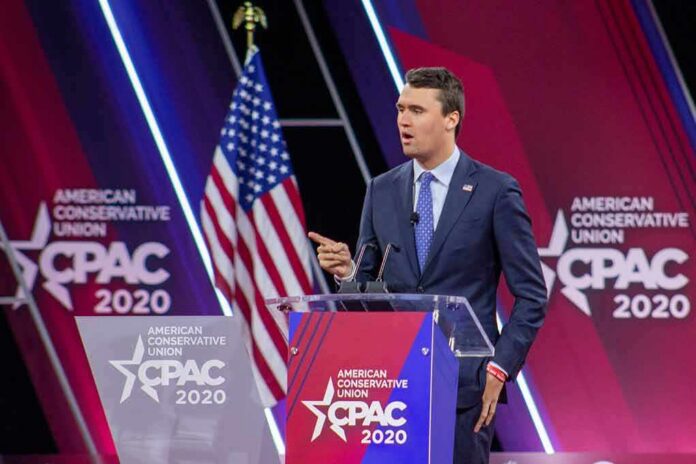
Georgetown’s Turning Point USA chapter president, Heidi Sui, publicly opposed any event that disrespects Kirk and the memorial ceremonies, drawing a clear line between conservative students and those pushing anonymous provocation. That reaction matters because it counters the claim that conservatives on campus condone mockery of a slain leader. It also shows students can honor speech rights while rejecting speech that targets victims of violence, a balance that many families and faith communities expect from higher education.
Experts have long warned that anonymous campus platforms can turn rumor into headline in hours. Research on campus speech fights shows social media speeds outrage, pressures leaders to react, and blurs lines between private posts and official acts. This case fits that pattern. Schools condemned the tone, denied sponsorship, and stressed no space was booked. Yet the story still spread as if a campus-endorsed spectacle were imminent. That cycle strains trust, fuels culture-war heat, and distracts from safety and real learning.
Why This Matters To Readers
Families want campuses to protect open debate and basic decency. When anonymous users mock the dead, it insults mourners and stirs anger. When schools wait too long, they look weak. When they speak too fast, they can overshoot facts. Here, the record shows institutions condemned the posts and blocked any use of their resources, while conservative students called for respect. That is the right direction. But the reliance on anonymous platforms keeps stirring division at the expense of truth.
What Comes Next
Universities can publish clear booking logs for major spaces around sensitive dates, post plain-language speech and conduct rules, and release timely summaries when rumors surge. Schools can also coordinate with student groups to encourage peaceful memorials that honor life and reject violence without silencing lawful speech. Readers should expect transparency on what is real, who reserved what, and how leaders uphold both free expression and order. Clarity cools tempers and protects our shared civic ground.
Sources:
washingtontimes.com, georgetownvoice.com, aol.com, abcnews4.com, thepinknews.com, facebook.com