

Iran’s drones slammed Bahrain and threatened shipping near Hormuz, testing U.S. resolve and global trade the same night.
Story Snapshot
- Iran claims its strikes were “retaliation” and “ceasefire management,” not aggression [1].
- Bahrain says Iranian drones violated its sovereignty and hit civilian sites [8].
- Rights group research ties Iranian Shahed drones to civilian harm, raising war-crime concerns [9].
- Reports say U.S. forces struck Iranian sites after attacks on commercial shipping [20].
Iran’s Justification Collides With Law and Evidence Gaps
Iran’s Foreign Ministry said its latest attacks answered U.S. airstrikes that broke a June memorandum and the United Nations Charter, calling the wave “ceasefire management,” not a breach [1]. A senior Iranian figure claimed Iran “governs” the Strait of Hormuz, warning others to follow its rules [1]. These claims face problems. Iran has not provided hard proof that targets were U.S.-linked. It also offered no legal filing that grants it exclusive control over the strait, a key global waterway [1].
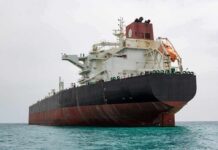
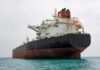
Iran’s messaging also blurs cause and effect. Tehran ties its actions to U.S. moves after the attack on the ship Ever Lovely, but it did not release telemetry, videos, or logs that prove that specific chain. Reports note attacks on shipping and U.S. responses, but they do not settle every link Iran claims. That leaves room for spin, while oil routes and markets bear the risk of another costly Gulf crisis [2][20].
Bahrain and Regional Allies Condemn Drone Strikes
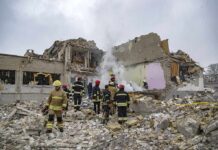
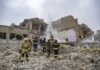
Bahrain’s Foreign Ministry stated that several Iranian drones targeted the country and condemned the strike as a violation of sovereignty and peace efforts [8]. The Interior Ministry cited damage to a desalination plant and civilian injuries, showing the cost to basic services and families who rely on clean water [10]. Qatar’s Foreign Ministry condemned renewed Iranian attacks on Bahrain, Kuwait, and Jordan, showing a broader Arab stance against Tehran’s escalation and its pressure tactics in the Gulf [11].
Human rights investigators added further weight. Amnesty International reported forensic signs that Iranian Shahed drones hit civilian infrastructure in Bahrain, killing four and injuring others, and said the strikes likely broke the laws of war [9]. That finding cuts against Iran’s claim that its actions were careful “management.” It also underlines a core American priority: protect civilians and commerce, not empower regimes that use drones to terrorize towns and spike energy prices for working families.
U.S. Response Focuses on Shipping Security and Deterrence
U.S. officials and allies reported intercepting Iranian one-way attack drones near the Strait of Hormuz earlier this month, while keeping traffic moving. The United States then struck Iranian military sites tied to drones and coastal radar after an attack on commercial shipping, describing the action as a limited step to defend navigation and restore order without killing talks [12][13]. Reuters quoted a U.S. official who said the intercepted drones were aimed at regional maritime traffic [20].
🚨 BREAKING HOURLY NEWS!
Top 10 NEW global + AI stories right now 🌍🤖🔥1️⃣ 🇮🇷🇺🇸 STRAIT OF HORMUZ ERUPTS AGAIN — another tanker reportedly struck by an unidentified projectile after U.S. airstrikes on Iranian missile/drone sites.
2️⃣ 🇮🇷🇧🇭 BAHRAIN ACCUSES IRAN — Bahrain says…
— Karim El-Khatib (@karimelkhatib99) June 27, 2026
The Trump administration’s task is clear: hold the line, protect trade, and punish attacks without sliding into a wider war. That means strong naval presence, tighter sanctions on drone supply chains, and fast intelligence sharing with Gulf partners. It also means calling out Tehran’s unsupported claims. Iran has not shown proof that the struck tanker or Bahrain targets were U.S.-linked, and its claim to “govern” the strait clashes with maritime law and allied consensus [1][3].
What This Means for American Families and Energy Prices
Every drone over Hormuz can raise the price you pay to fill your truck and heat your home. Iran knows that. Choking a vital sea lane is a pressure play against the West. When ships divert or insurers charge more, costs climb for fuel, food, and goods. That is why defending navigation is not “globalism,” it is common sense. A steady deck in the Gulf supports American jobs, farms, and small businesses that already face high costs from years of bad energy policy and overspending.
How to Judge the Competing Claims
Ask for proof, not slogans. Iran says targets were U.S.-linked and strikes were lawful “management.” It has not released logs, drone telemetry, or imagery that confirm those claims [1]. Bahrain cites civilian damage and a hit on a desalination plant, which is specific and testable [10]. Amnesty International’s analysis ties Iranian drones to civilian sites, which is serious and credible [9]. U.S. reporting lines up with a narrow goal: stop drones, keep sea lanes open, and deter more strikes [12][20].
Bottom Line: Strength, Clarity, and the Constitution
America must defend free navigation and our people with firm, constitutional authority. Congress should back strong sanctions on drone parts and illicit oil sales that fund these attacks. The Navy should maintain overwhelming presence in the Gulf. Allies should help track and expose Iranian drone networks. Peace through strength works. Weakness, double-talk, and “managed” ceasefires invite more drones, more danger, and higher prices for every American family.
Sources:
[1] Web – Iran Launches Drone Blitz After Overnight US Strikes, Amid New Trump …
[2] Web – Bahrain condemns Iranian drone attack as Washington, Tehran …
[3] Web – Iran Fired Drones Toward Strait of Hormuz With U.S. Shooting Down …
[8] Web – Iran launched a drone assault targeting Bahrain, while a ship in the …
[9] Web – Bahrain accuses Iran of launching a drone attack targeting … – …
[10] Web – Iran: Deadly drone strikes on Bahrain and Saudi Arabia may …
[11] Web – 2026 Iranian strikes on Bahrain – Wikipedia
[12] Web – The Ministry of Foreign Affairs issued a statement on 11 June 2026 …
[13] Web – The Media briefing by the National Communication Centre on the …
[20] Web – 2026 Iran war – Wikipedia